
Hi everyone,
What a busy few months it has been for us! It's been lovely to see so many familiar faces at conferences around the world and catching up with colleagues along the way.
In this edition, we have highlights from TTS in Sydney, ICBMT in Busan and MSGERC in Denver, including the inaugural Women in Mycology meeting. We also celebrate Gemma's recognition at the University of Melbourne Dean's Awards, and feature a great collection of new publications, with a special spotlight on Priya's recent systematic review of invasive fungal infections in acute leukaemia. We bid farewell to Laura after her time with us at Peter Mac, and have included a few upcoming conference abstract deadlines for those planning ahead for 2027.
A big thank you to everyone for your continued hard work and contributions. It's wonderful to see all the great work happening across our network!
Happy reading!
International Conference Highlights
2026 Biennial Meeting MSGERC
📍 Denver, Colorado | 9-11 September 2026

The recent MSGERC Biennial Meeting in Denver saw the inaugural meeting of Women in Mycology, an initiative established by Dr Julia Messina and me to support women working and training in the field of medical mycology.
Julia and I chaired the first meeting, bringing the group together to connect and discuss opportunities for training, mentorship and career development. We have also undertaken a survey exploring training and mentoring needs in mycology, with a particular focus on women in the field.
It was great to bring the group together for the first time, and we look forward to growing the Women in Mycology network.
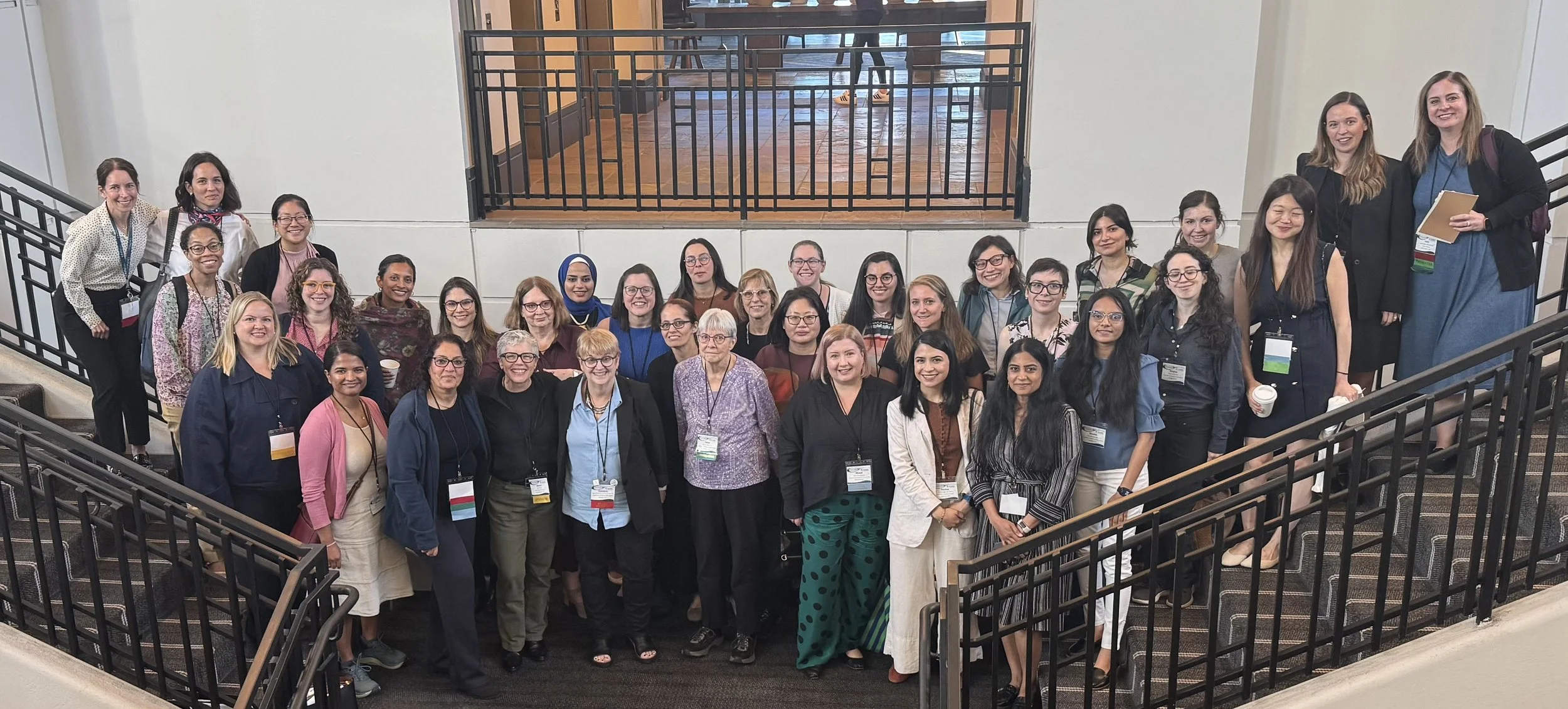
Women in Mycology at the 2026 MSGERC Biennial Meeting in Denver.
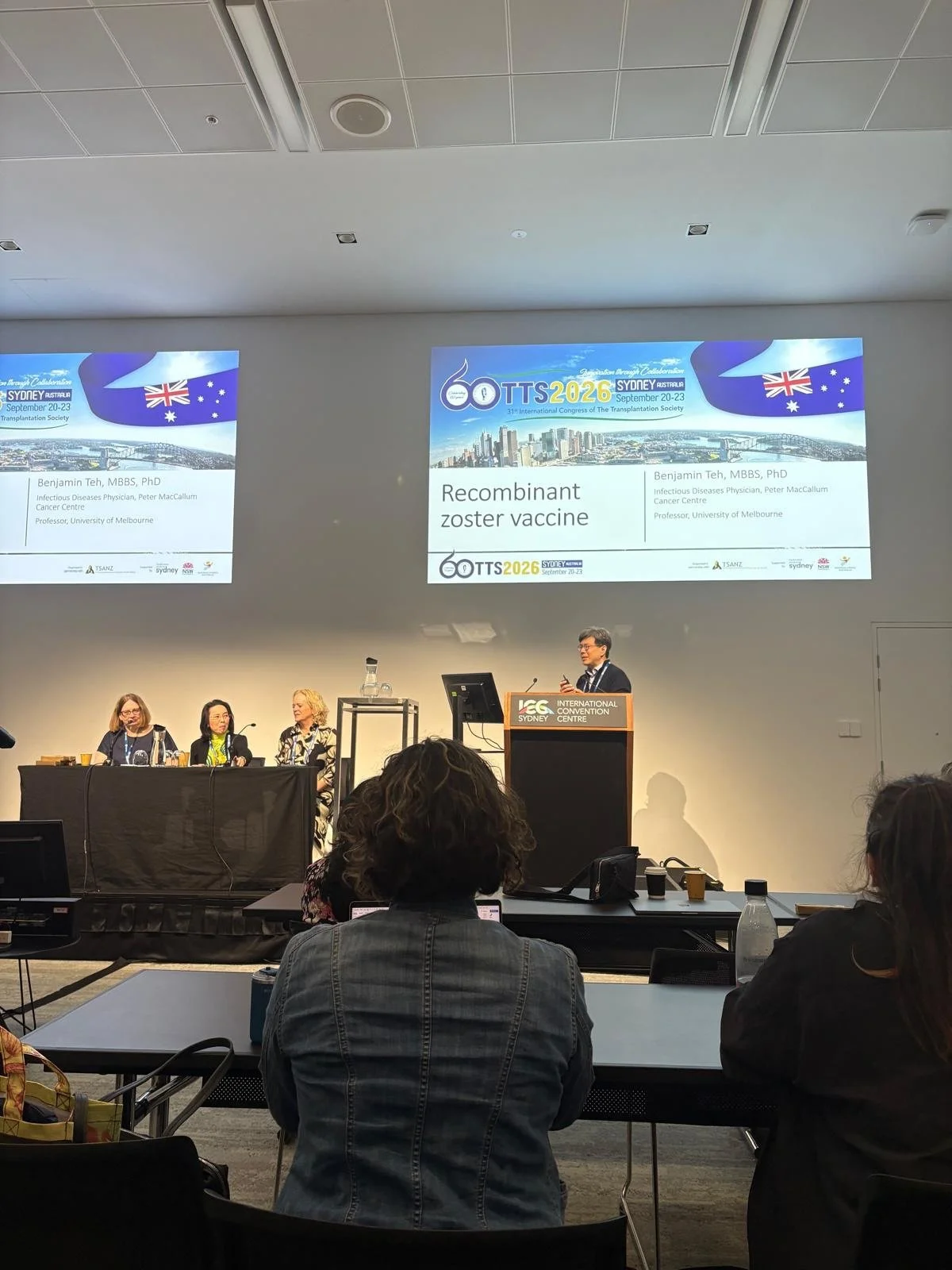
The Transplantation Society (TTS) 2026
📍 Sydney, Australia | 20–23 September 2026
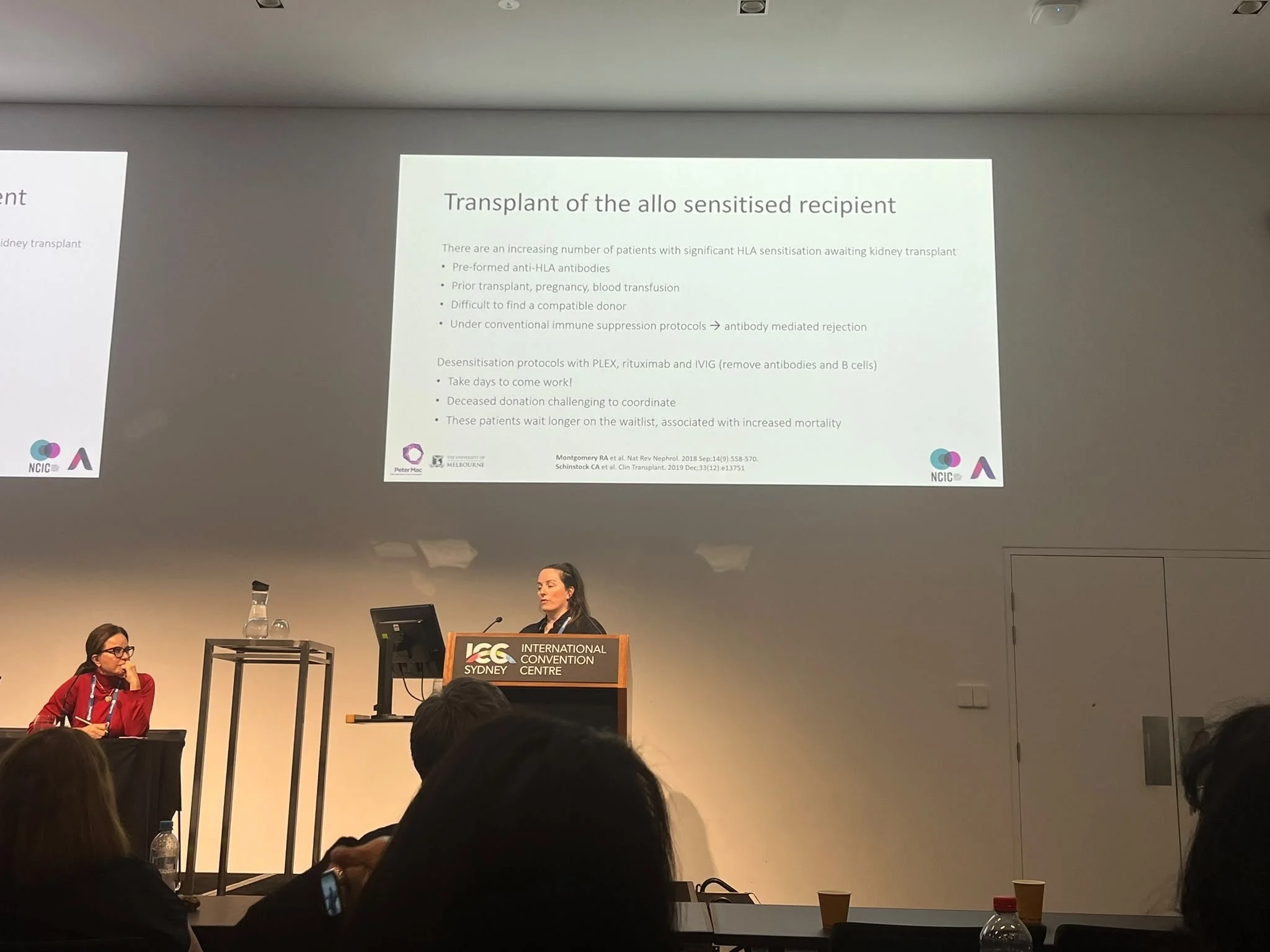
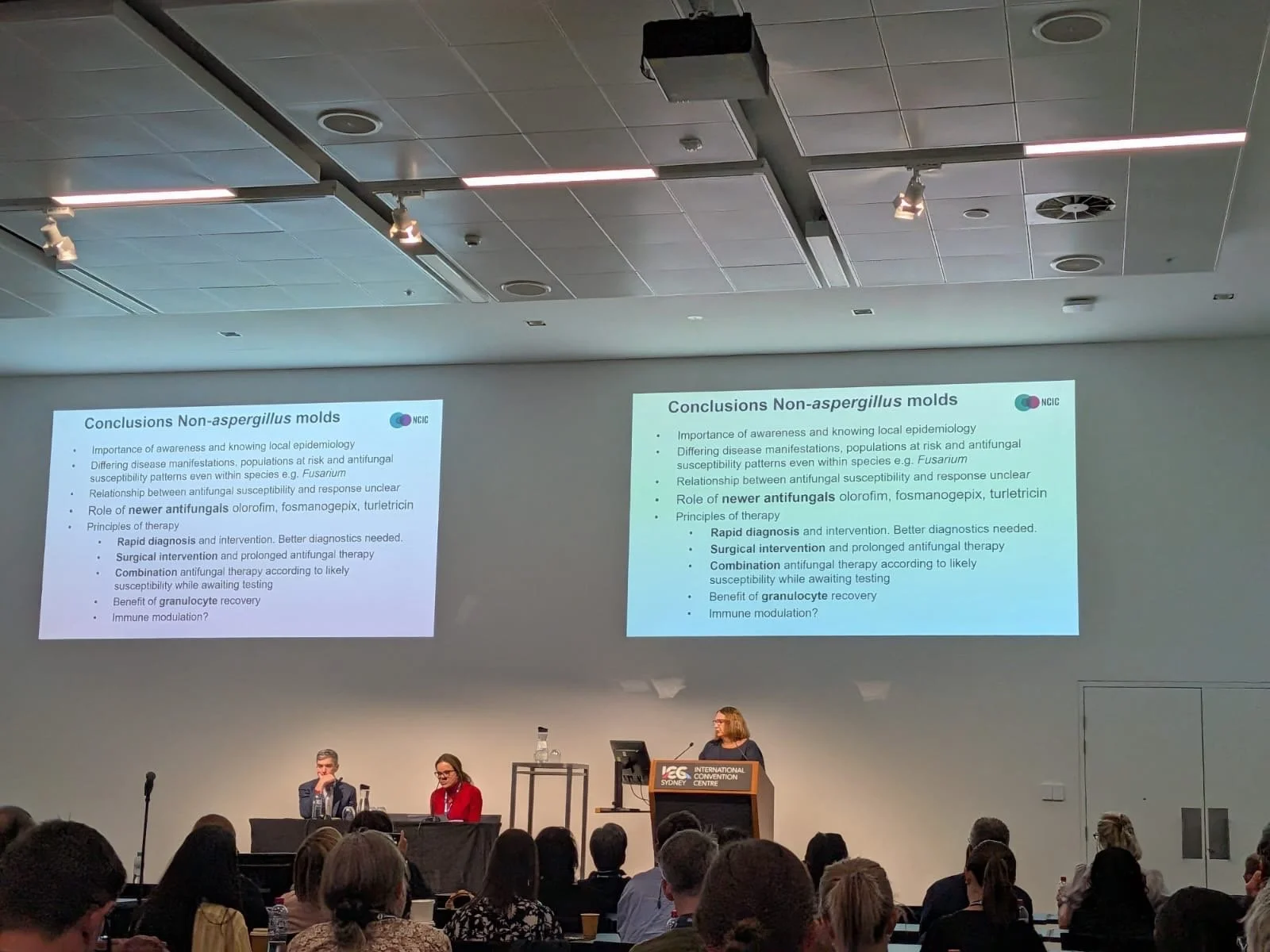
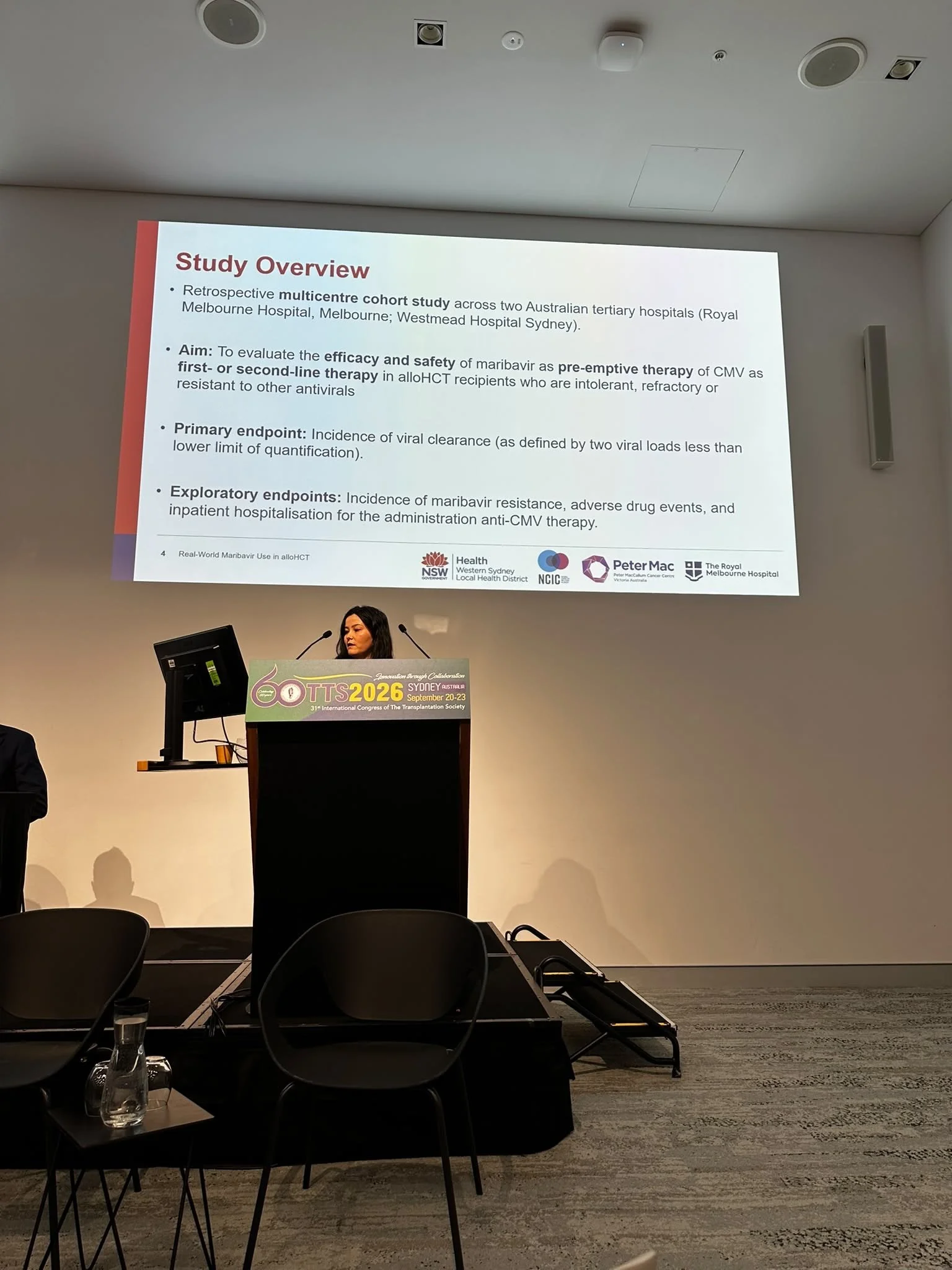
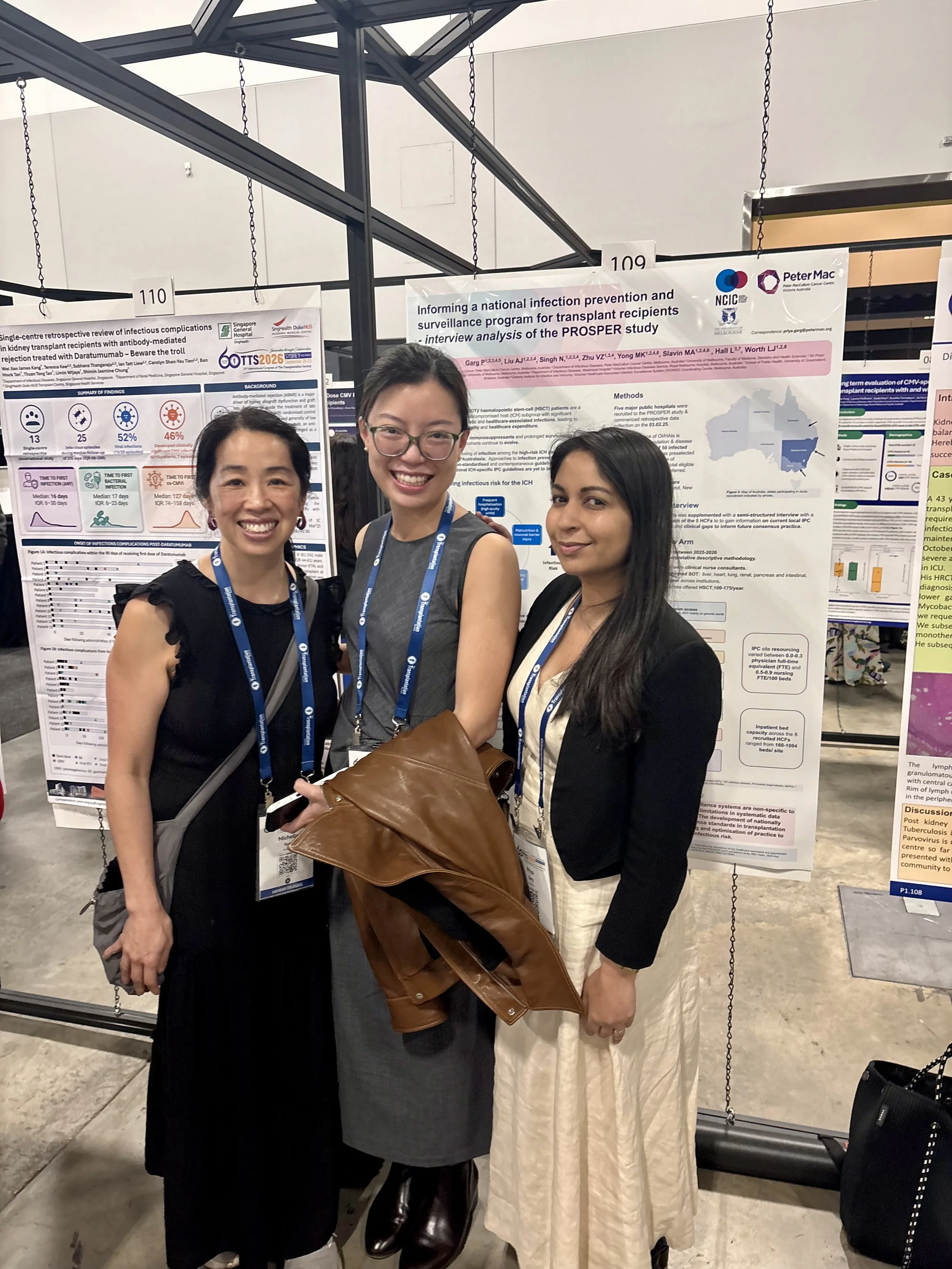
TTS 2026 brought together the international transplantation community to share the latest research, clinical advances and innovations in transplantation.
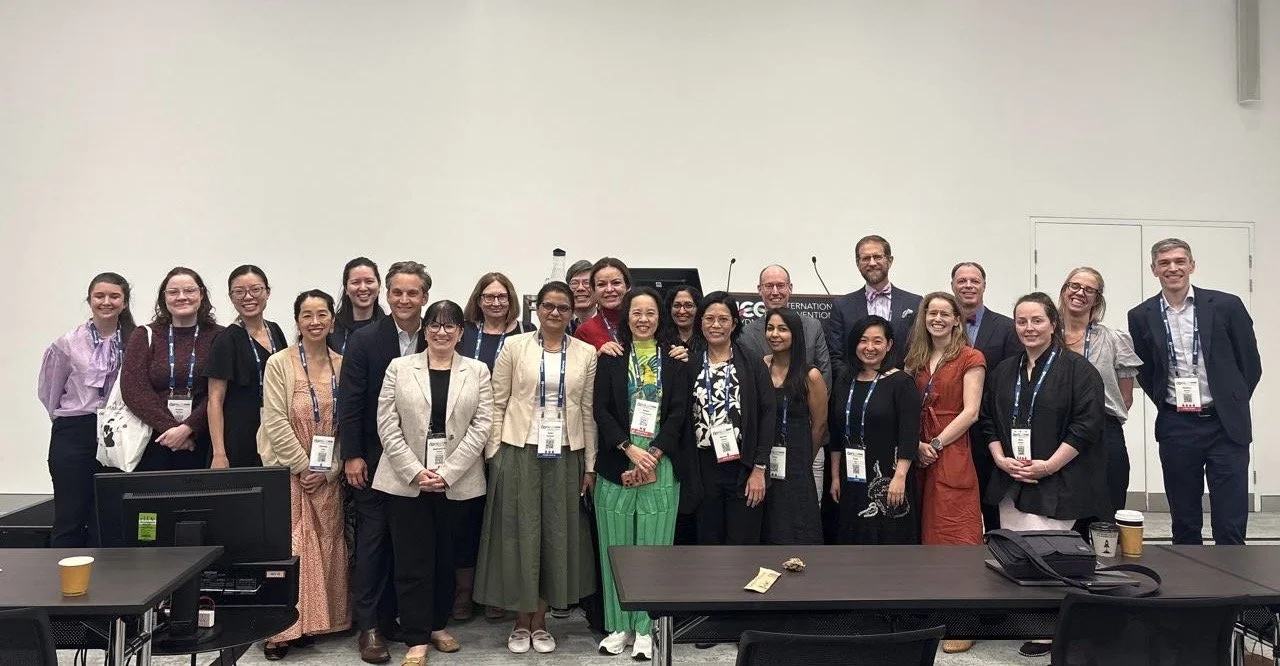
NCIC was well represented across the Transplant Infectious Diseases (TID) program, with members contributing to invited talks, case-based discussions, panel sessions and research presentations. Highlights included work on non-Aspergillus mould infections, vaccination and emerging infections, CMV, respiratory viral infections, infection prevention and surveillance, antimicrobial therapies, and the microbiome. NCIC researchers also contributed to discussions on challenging infections in immunocompromised hosts, new immunosuppressive therapies and the evolving infectious risks faced by transplant recipients.
It was fantastic to see such broad representation across the meeting and our ongoing contribution to the rapidly evolving field of TID.

International Congress of BMT (ICBMT) 2026
📍 Busan, South Korea | 17–19 September 2026
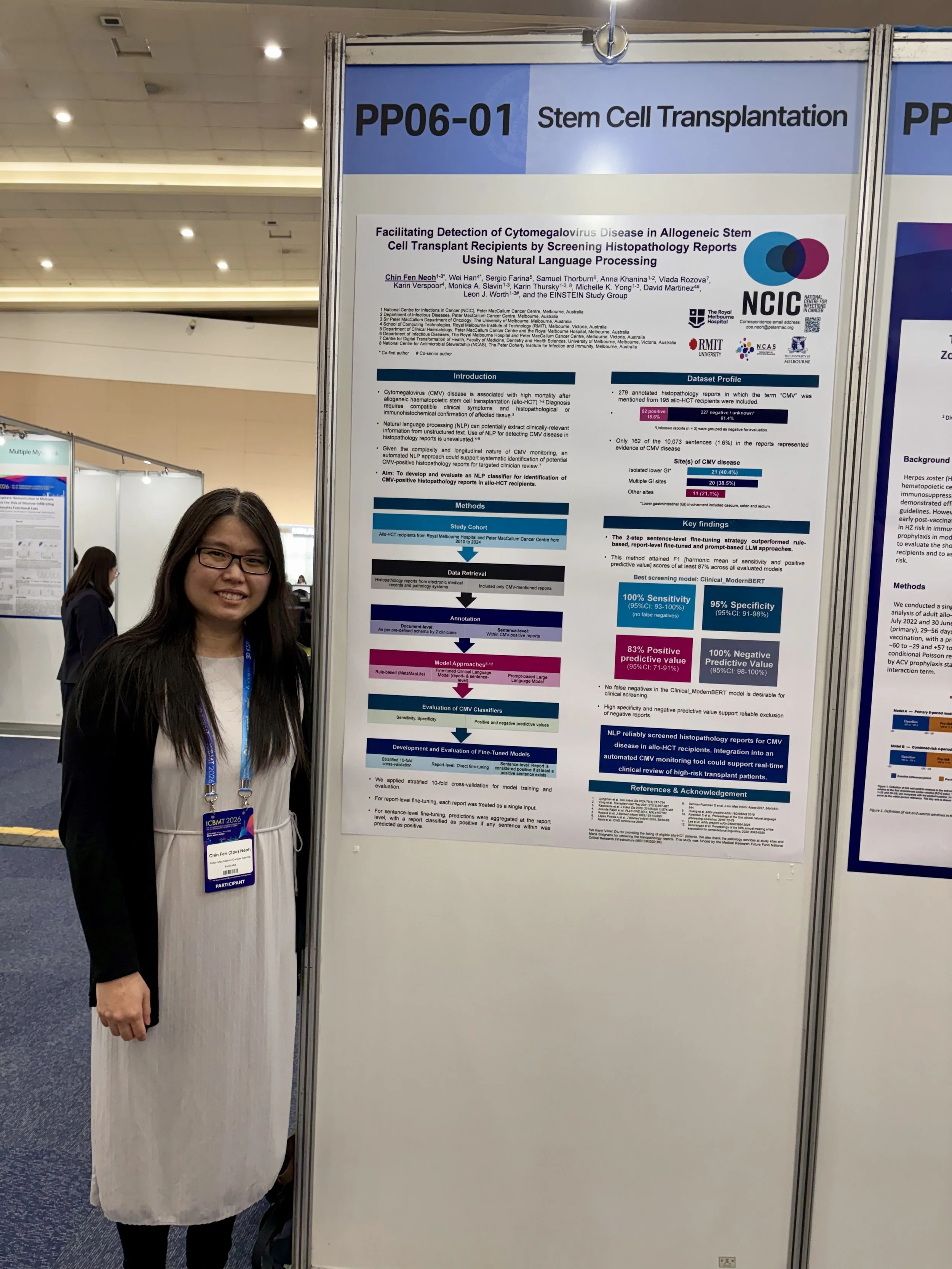
Dr Zoe Neoh’s poster presentation at ICBMT 2026
This month some of us also travelled to Busan, South Korea, joining clinicians and researchers from around the world to share the latest developments in haematopoietic stem cell transplantation and cellular therapy.
Representing the EINSTEIN Study Group, Dr Zoe Neoh presented work exploring the use of natural language processing (NLP) to improve detection of CMV disease in allogeneic stem cell transplant recipients. As CMV disease can be difficult to identify through conventional surveillance, the study evaluated NLP models to automatically screen histopathology reports for evidence of CMV disease. The best-performing model achieved 100% sensitivity and 95% specificity, highlighting the potential for NLP-assisted screening to support more efficient CMV surveillance and real-time clinical review. Read more about the EINSTEIN project here.
(Email: EinsteinAdmin@petermac.org)
Upcoming Conference Abstract Deadlines
If you are planning to present your research in 2027, here are some upcoming abstract submission deadlines to keep in mind:
Congress of the European Society of Clinical Microbiology and Infectious Diseases (ESCMID) Global 2027
📍 Stockholm, Sweden | 9-13 April 2027
🔗 Abstract submission
Australasian Society for Infectious Diseases (ASID) Annual Scientific Meeting 2027
📍 Cairns, Australia | 5-8 May 2027
🔗 Abstract submission
Fred Hutch Cancer Center – 6th Symposium on Infectious Diseases in the Immunocompromised Host
📍 Seattle, USA | 9-12 May 2027
🔗 Abstract submission and travel stipends

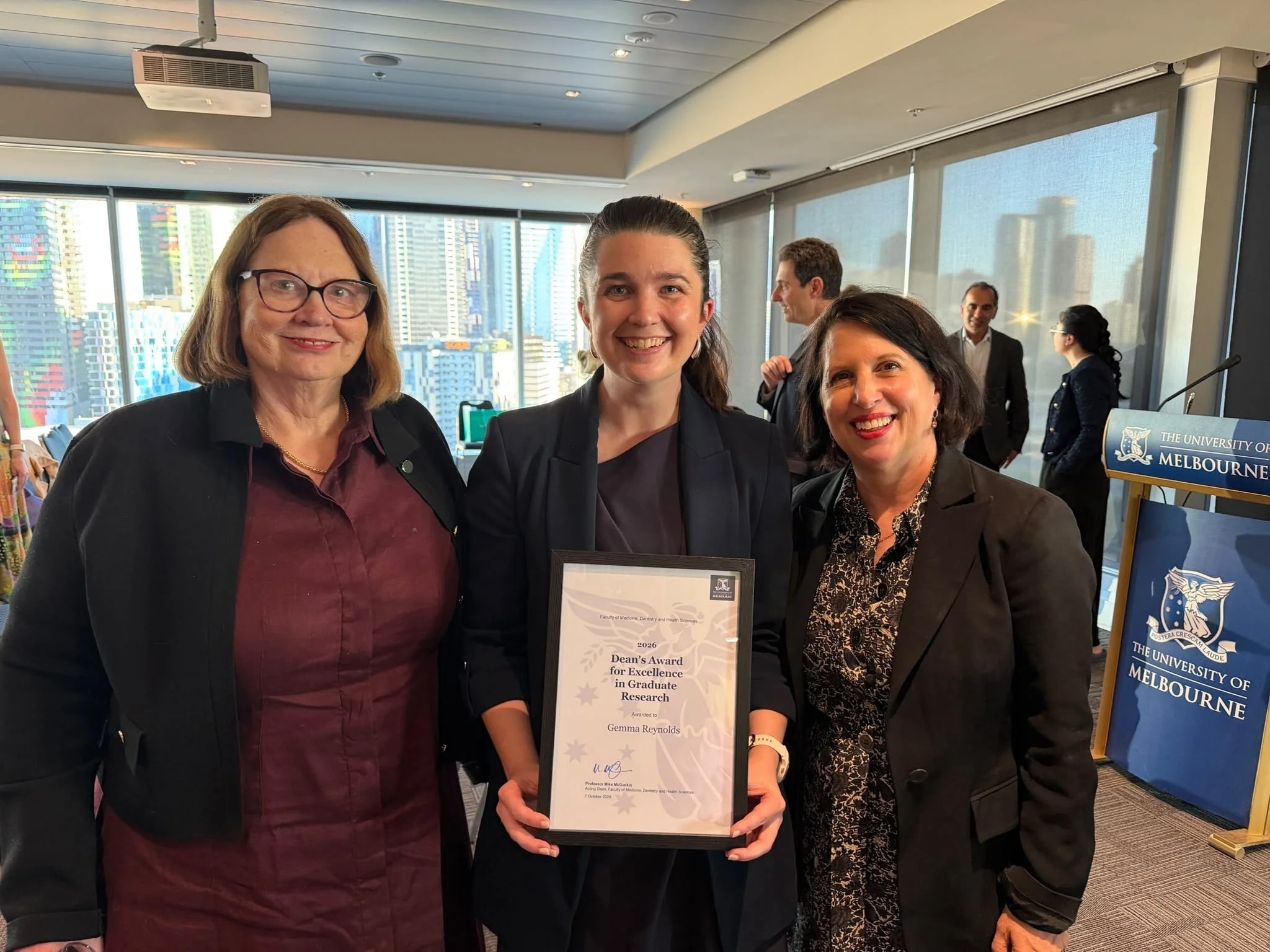
Congratulations again, Gemma! A very well-deserved recognition of all your hard work and dedication.
Congratulations to Dr Gemma Reynolds!
A huge congratulations to Gemma on her recognition at the University of Melbourne Dean's Award for Excellence in Graduate Research!
Gemma's research focused on infection prevention and risk stratification in patients receiving cellular therapies, contributing to our understanding of infectious complications in this vulnerable patient population. Prof Karin Thursky (Kas) and I were delighted to attend the awards ceremony and celebrate this wonderful achievement with Gemma. Such a proud moment for all of us!
Farewell Laura!
We said farewell to Dr Laura To earlier this month after spending three months with us at Peter Mac. Laura is an infectious diseases physician from Princess Margaret Hospital in Hong Kong, who joined us for a clinical observership focusing on the management of infections in immunocompromised patients.
It was lovely having Laura as part of the team over the past few months, and we'll certainly miss her!
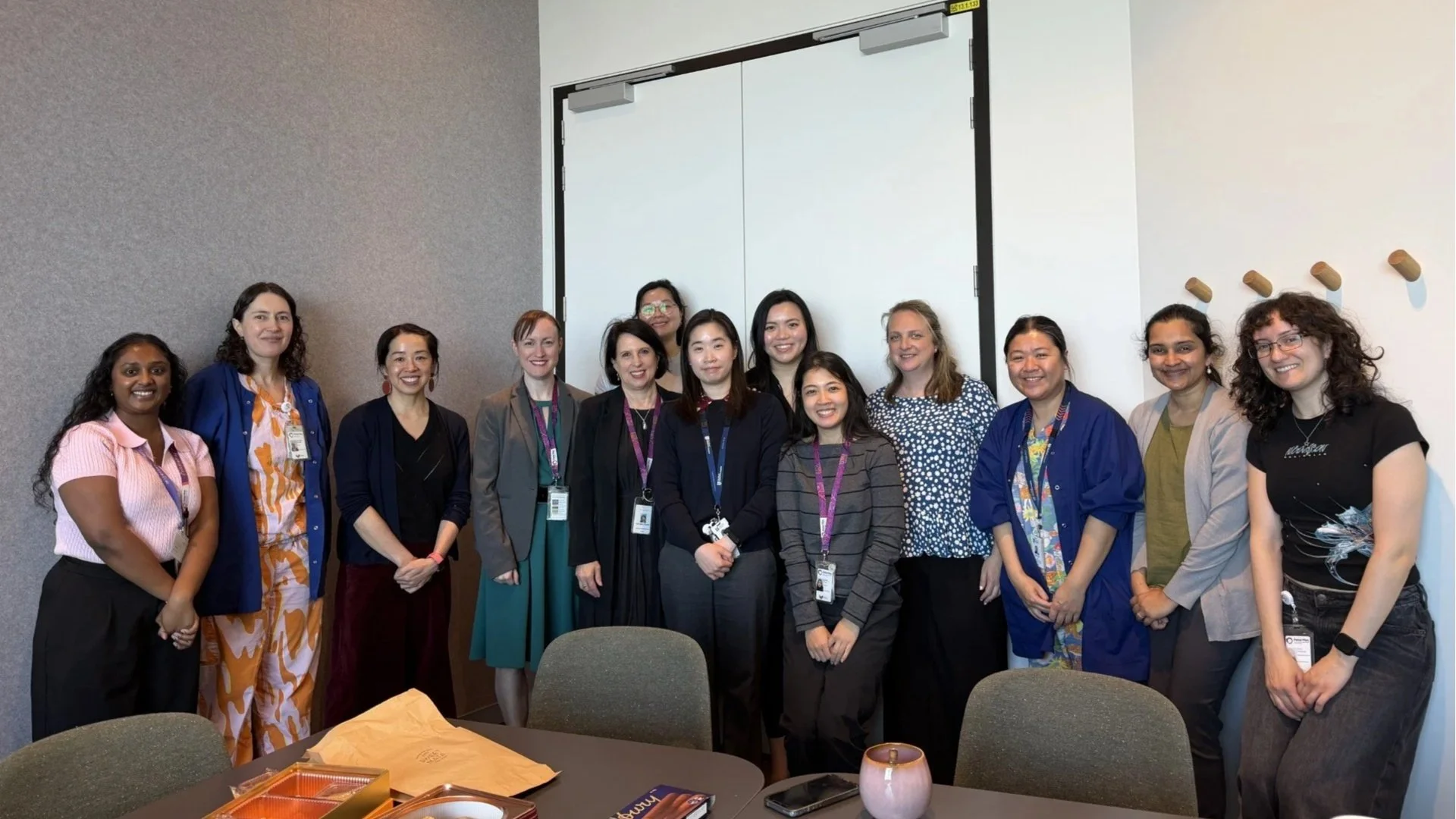
Laura and the NCIC team.
“These three months have been as inspiring as they have been educational and fun. It would be almost unfair to try to choose a favourite among ID-BMT/acute leuks, ICU AMS, and ward rounds, and the whole spectrum of ID clinics. Also invaluable during my observership was witnessing the integration of research and clinical practice, and the team’s continued efforts to improve patient outcomes and services through extensive, and active research. I am very grateful for the opportunity to participate in NAPS and IFIs while at PeterMac. As I return home, I hope to establish antifungal stewardship, and further develop proactive infectious disease consultation services for immunocompromised patients. ”
Publication Spotlight:
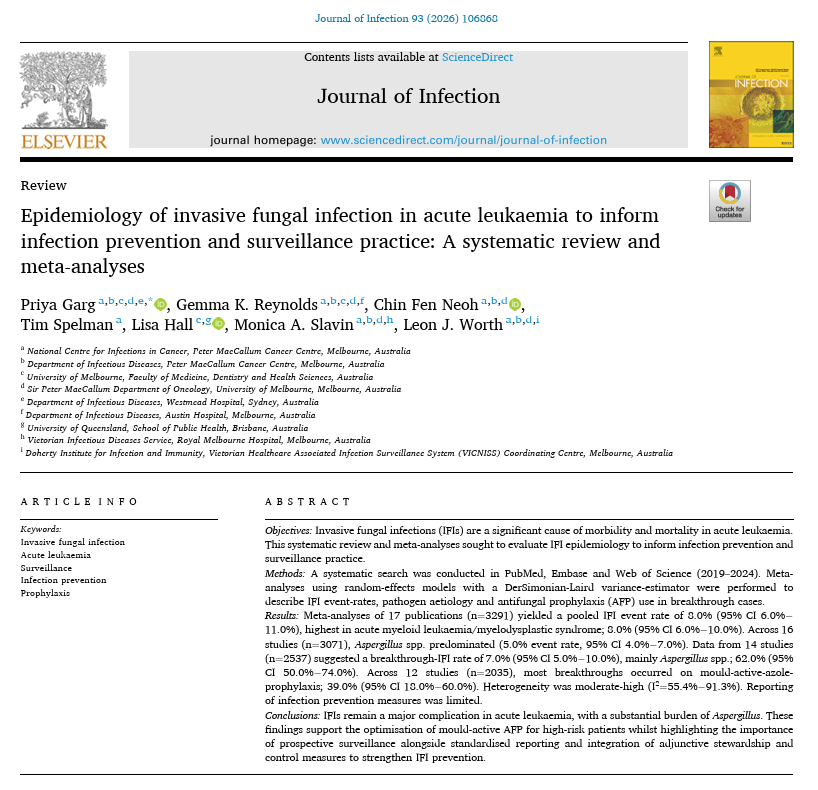
A new systematic review and meta-analysis led by Dr Priya Garg and colleagues from the NCIC examines the global epidemiology of invasive fungal infections (IFIs) in patients with acute leukaemia, with a focus on informing infection prevention and surveillance practice.
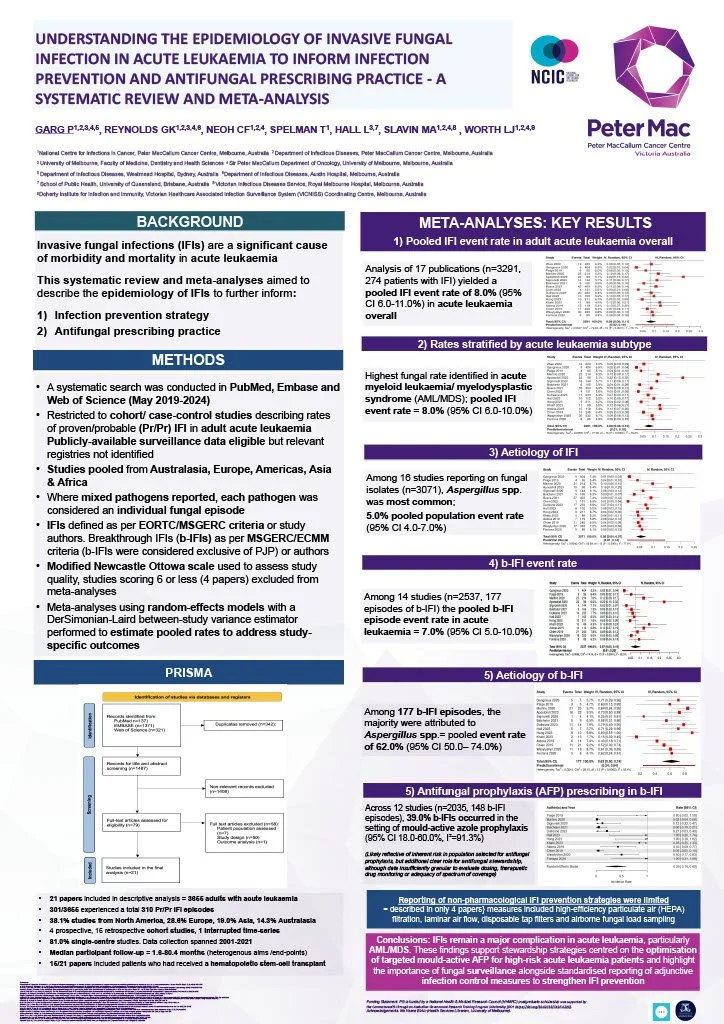
Poster presentation at ASID 2026 earlier this year.
Across 17 studies involving 3,291 patients, the pooled IFI event rate was 8% (95% CI 6–11%), with a similar 8% event rate reported among patients with AML/MDS
Aspergillus spp. remained the predominant pathogen, with a pooled event rate of 5% (95% CI 4–7%).
Breakthrough IFIs remained an important concern, occurring at a pooled rate of 7% (95% CI 5–10%). Aspergillus spp. accounted for 62% of breakthrough infections. 39% of breakthroughs occurred in patients receiving mould-active azole prophylaxis.
Considerable heterogeneity was observed across studies, alongside limited reporting of infection prevention measures and antifungal stewardship metrics, highlighting important gaps in contemporary IFI surveillance.
The findings demonstrate that IFIs particularly invasive aspergillosis, remain an important complication of acute leukaemia despite widespread antifungal prophylaxis. Priya and colleagues highlight the need to optimise mould-active prophylaxis for high-risk patients, strengthen prospective IFI surveillance, and standardise reporting of fungal infection data and infection prevention and control measures.
Published in the Journal of Infection, this work was also supported by an ASID Council Scholarship awarded to Priya.
Recent Publications
Infection in Transplant, Haematology & Cellular Therapy
Hurley A, George P, Reynolds G, Stewart A, Quach H, O'Leary N, McQuilten Z, Henden AS, Chee L, Cheah CY, Bupha-Intr O, Blyth E, Teh B, Slavin M, Dickinson M, Weinkove R. Preventing infections after CD19-directed chimeric antigen receptor T-cell therapies for lymphoma: a consensus practice statement. Intern Med J. 2026.
Summary: The consensus statement provides an Australia and New Zealand–focused approach to preventing, investigating and managing infections following CD19-directed CAR T-cell therapy, where infection remains a leading cause of non-relapse mortality.Jacob-Dolan C, Thomas A, Reynolds G. Immunity by Design: Engineering Pathogen-Specific Protection After Transplantation. Transpl Infect Dis. 2026.
This letter discusses emerging approaches to engineer pathogen-specific immunity after transplantation, including gene-edited haematopoietic stem cells and adoptive cellular therapies.McKeague S, Lew TE, Lowe A, Lau L, Thompson PA, Whitechurch A, Carney D, Wolf M, Reynolds G, Blombery P, Seymour JF, Roberts AW, Anderson MA. Long-term outcomes with continuous venetoclax for relapsed chronic lymphocytic leukemia. Blood Adv. 2026.
Summary: One-third (29/86) of patients achieved a long-term response of >5 years with continuous venetoclax. Five-year progression-free survival was 87% among patients with undetectable measurable residual disease versus 45% without.Smibert OC, Kong G, Markey KA, Judd LM, Howden B, Stinear TP, Gordon C, Sharma VJ, D'Costa R, Sinclair M, Majumdar A, Starkey G, Testro A, Trubiano JA, Slavin MA, Kwong JC. Donor Microbiota Features Associated With Liver Transplant Recipient Infectious Complications: A Pilot Study Using Deep Intestinal Sampling During Liver Procurement. Transpl Infect Dis. 2026.
Summary: Deceased donor microbiota showed enrichment of potential pathogens, particularly Enterobacteriaceae, which was associated with an increased risk of early post-transplant infection in recipients.Warren Z, Bhabha F, Campbell BA, van der Weyden C, Prince HM, Buelens O, Yong MK, McCormack C. The Development of Non-Tuberculosis Mycobacterial Infections in Sézary Syndrome: A Case Report of Two Patients. Australas J Dermatol. 2026.
Summary: Two cases of cutaneous non-tuberculous mycobacterial infection in patients with Sézary syndrome highlight the importance of considering atypical infections in this highly immunocompromised population.Yap N, Wang NY, Yong MK, Haeusler GM. Adenovirus infection after cellular therapy: diagnostic and therapeutic challenges. Curr Opin Infect Dis. 2026.
Summary: Recent evidence supports the gastrointestinal tract as an important reservoir for adenovirus, with rising stool viral loads often preceding invasive infection, while emerging therapies including intravenous brincidofovir and virus-specific T cells offer potential new treatment options.
Infection Prevention, Surveillance, Antimicrobial & Vaccination Strategies
Douglas AP, Thursky KA. Antibacterial prophylaxis in neutropenic fever: beyond fluoroquinolones. Lancet Reg Health Eur. 2026.
Summary: Highlights the need to reconsider reliance on fluoroquinolone prophylaxis in neutropenic patients in the setting of increasing antimicrobial resistance and evolving alternative prevention strategies.Garg P, Reynolds GK, Neoh CF, Spelman T, Hall L, Slavin MA, Worth LJ. Epidemiology of invasive fungal infection in acute leukaemia to inform infection prevention and surveillance practice: A systematic review and meta-analyses. J Infect. 2026.
Summary: Across 17 studies (n=3291), the pooled IFI rate was 8%, with Aspergillus spp. predominating. Breakthrough IFIs occurred at a rate of 7%, with 39% occurring during mould-active azole prophylaxis.Piekarska A, Oltolini C, Teh BW, Robin C, Neofytos D, Reigadas E, Groll AH, Muñoz P, Gil L, Chemaly RF, Mikulska M. Management of Clostridioides difficile infections in patients with hematological malignancies – a survey by ECIL and IDWP of EBMT. Int J Infect Dis. 2026.
Summary: Among 49 international experts, important variation in CDI management was identified. Vancomycin predominated for initial treatment, fidaxomicin was preferred for recurrence, and 31% of centres used faecal microbiota transplantation for second or subsequent recurrenceWang X, Williams P, Sharma K, Quinn H, Jayasinghe S, Chiu C, Macartney K, Flanagan K, Cooper K, Teh B, Giles M, Crawford N. ATAGI targeted review 2025: Immunisation considerations for immunocompromised people in Australia. Commun Dis Intell. 2026.
Summary: The updated Australian guidance introduces new risk classifications for immunocompromise and supports tailored strategies including additional or booster doses, altered schedules and revaccination following immune reconstitution.Yong KY, Hall VG. Beyond a One-Size-Fits-All Approach: RSV Vaccination in Immunocompromised Patients. Transpl Infect Dis. 2026.
Summary: This editorial highlights emerging evidence on RSV vaccination in people with haematological malignancies and the need to move towards vaccination strategies tailored to immune status and individual risk.
Immunity & Host Responses
Allen LF, Rowntree LC, Jenzen M, Hagen RR, Croft NP, James F, Martin GE, Purcell AW, Illing PT, Tong SYC, Cheng AC, Kotsimbos TC, Trubiano JA, Kedzierska K, Nguyen THO. CD4+ T-cell responses directed towards A/H5N1-derived haemagglutinin peptides increase in patients with seasonal influenza A virus infection. Clin Transl Immunology. 2026.
Summary: H5N1 haemagglutinin-specific T-cell responses were detectable in 100% of patients with acute seasonal influenza and 75% of healthy participants, with correlated H1- and H5-specific CD4+ responses suggesting cross-reactive cellular immunity.Reynolds GK, Williams L, Giner G, Garnham A, Jansen T, Dowling MR, Minson A, Chee L, Dickinson M, Anderson MA, Thursky K, Oliaro J, Harrison SJ, Slavin MA, Doerflinger M, Teh BW. Host immune biomarkers associated with infection risk after CAR T-cell therapy. J Infect. 2026.
Summary: In this exploratory cohort, 18 infections occurred in 11 of 20 CAR T-cell recipients (55%). Distinct immune signatures were associated with early and late infections, supporting further investigation of immune monitoring to improve post-CAR-T infection risk stratification.
Follow us!
We look forward to connecting with you on both LinkedIn and BlueSky.
Kind regards,
Prof Monica Slavin, MBBS, MD, FRACP, FAAHMS
Head, Department Infectious Disease, Peter MacCallum Cancer Centre
Professor of Infection in Cancer and Transplantation, University of Melbourne Department of Infectious Diseases and the Sir Peter MacCallum Department of Oncology
Director, National Centre for Infections in Cancer