
Dear All,
This month we shine a spotlight on the exciting role of artificial intelligence and digital tools in transforming infection surveillance, clinical research, and patient care. From award recognition to conference presentations and innovative digital health research publication, our team continues to push the boundaries of infection management in cancer.
EINSTEIN Project Recognised as AI Awards Finalist
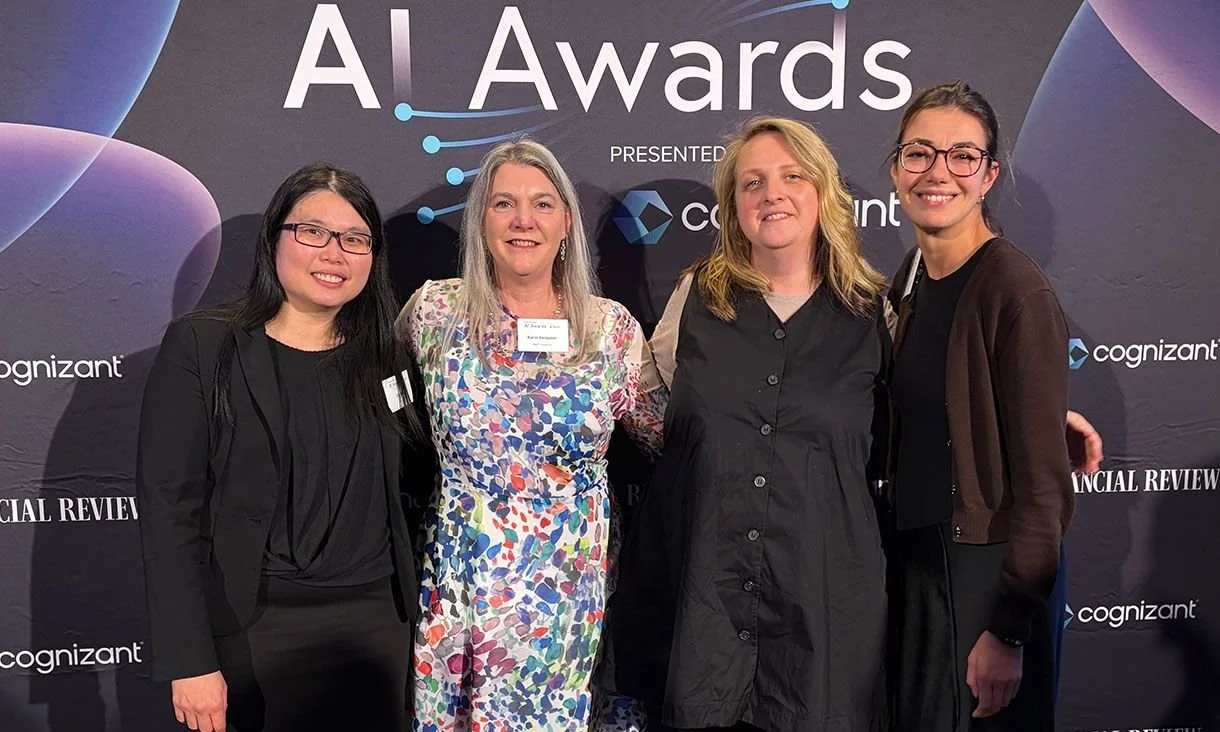
The NCIC congratulates Anna Khanina, Dr Zoe Neoh, Professor Leon Worth, and Professor Karin Thursky, together with collaborators from Guidance Group at Royal Melbourne Hospital, BioGrid Australia, RMIT University, and the Centre for Digital Transformation of Health, on the EINSTEIN project being named a finalist in the Community Impact category of the Australian Financial Review AI Awards.
Left to right: Dr Zoe Neoh (NCIC), Prof Karin Verspoor (RMIT University), Anna Khanina (NCIC), Dr Vlada Rozova (University of Melbourne)
EINSTEIN is transforming infection surveillance for immunocompromised cancer patients by using artificial intelligence (AI) to analyse histopathology and CT scan reports, enabling detection of invasive fungal infections and Cytomegalovirus (CMV), and supporting more timely clinical intervention and infection surveillance.
Dr Zoe Neoh noted that integrating AI with electronic medical records enables earlier identification of serious infections, closer patient monitoring, and ultimately improved outcomes for people undergoing cancer treatment.
IFIS Goes Live!
Building on this success, the Invasive Fungal Infection Surveillance (IFIS) platform will officially launch next month, marking a major step forward in the automation of invasive fungal infection surveillance in patients with haematological malignancies.
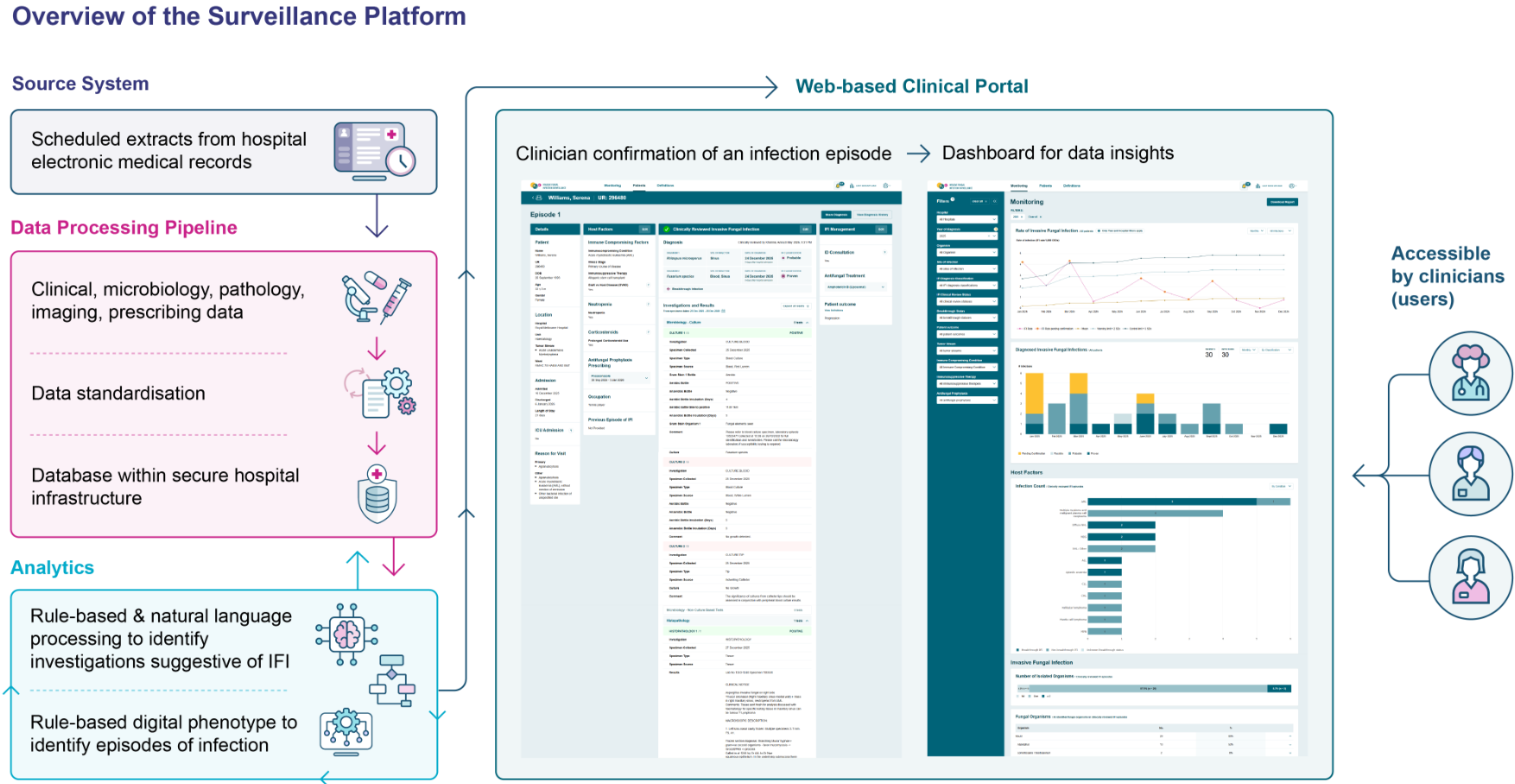
IFIS Platform
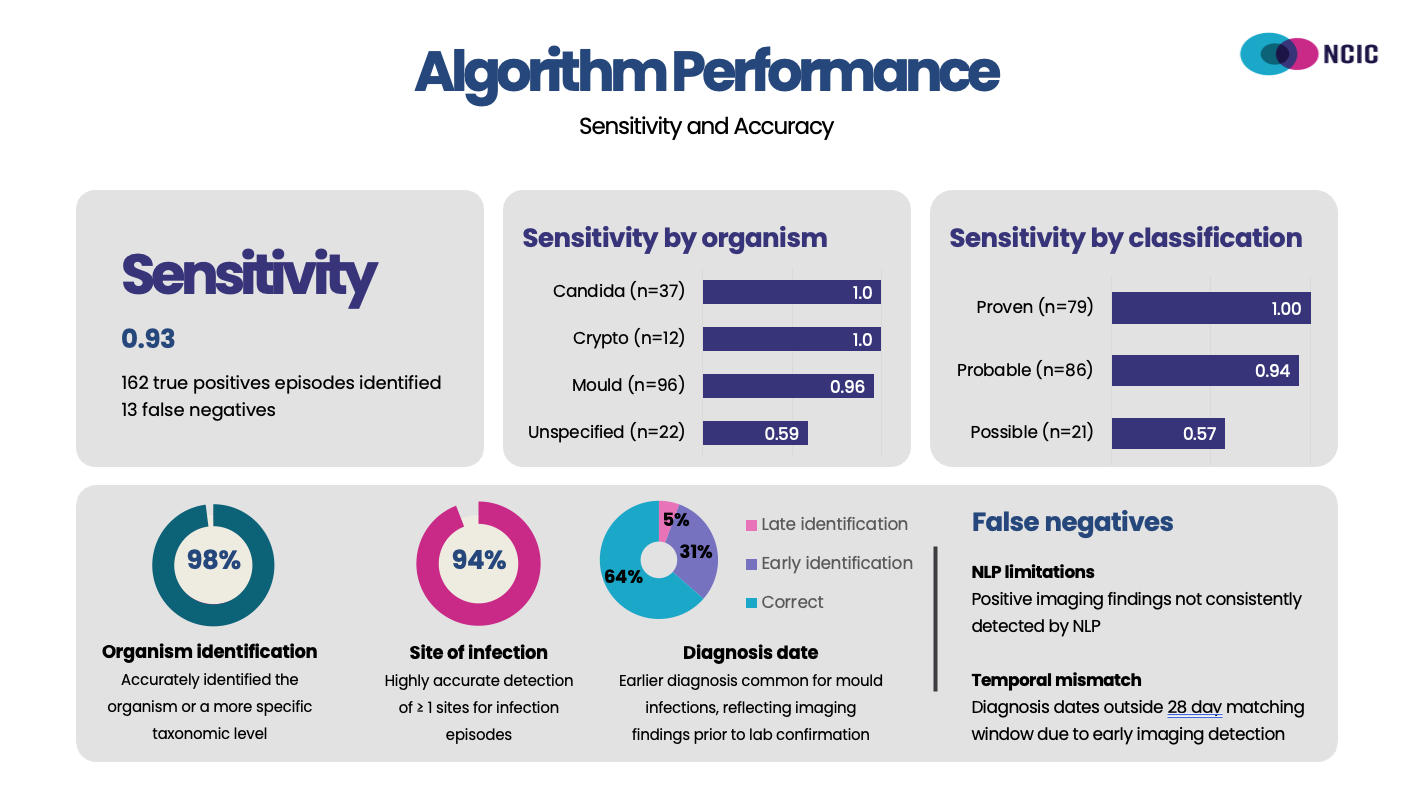
Designed to optimise a traditionally manual and labour-intensive process, IFIS combines natural language processing (NLP) and rule-based algorithms to identify potential infections with a highly sensitive detection system. The platform supports clinician review of flagged cases through a dedicated application, enabling efficient case confirmation while maintaining clinical oversight.
Clinical pharmacist and researcher Anna Khanina said the platform streamlines surveillance and provides interactive dashboards that allow clinicians to monitor infection trends, identify emerging outbreaks, and support timely, data-driven decision-making for fungal infection prevention and management.
The launch of IFIS represents an important step towards a learning health system, where AI-powered tools enhance surveillance, reduce administrative burden, and allow clinicians to focus more directly on patient care.
Digital Innovation Beyond IFIS: CMV Monitoring
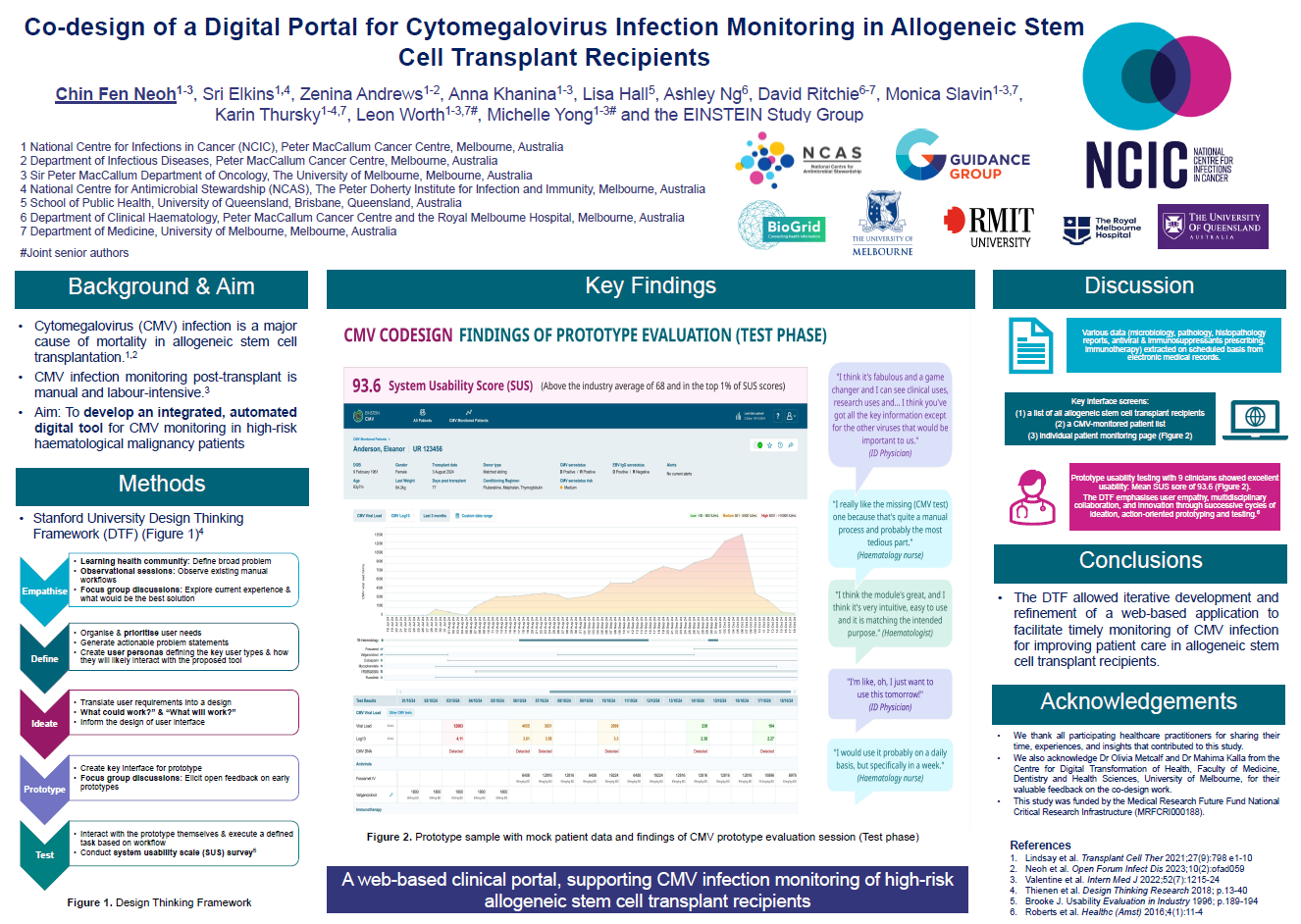
The EINSTEIN team is also developing an integrated digital portal to improve CMV monitoring in high-risk haematological malignancy patients undergoing allogeneic stem cell transplantation.
Developed through a clinician co-design process, the web-based platform aims to automate a traditionally manual monitoring workflow. Prototype usability testing achieved an excellent System Usability Scale (SUS) score of 93.6, reflecting strong clinician acceptance. Results from the prototype evaluation were presented at the International Immunocompromised Host Society (ICHS) 2026, highlighting the potential of clinician-centred digital tools to improve infection surveillance and patient care.
To learn more about the EINSTEIN project: Email EinsteinAdmin@petermac.org.
NCIC at MASCC 2026
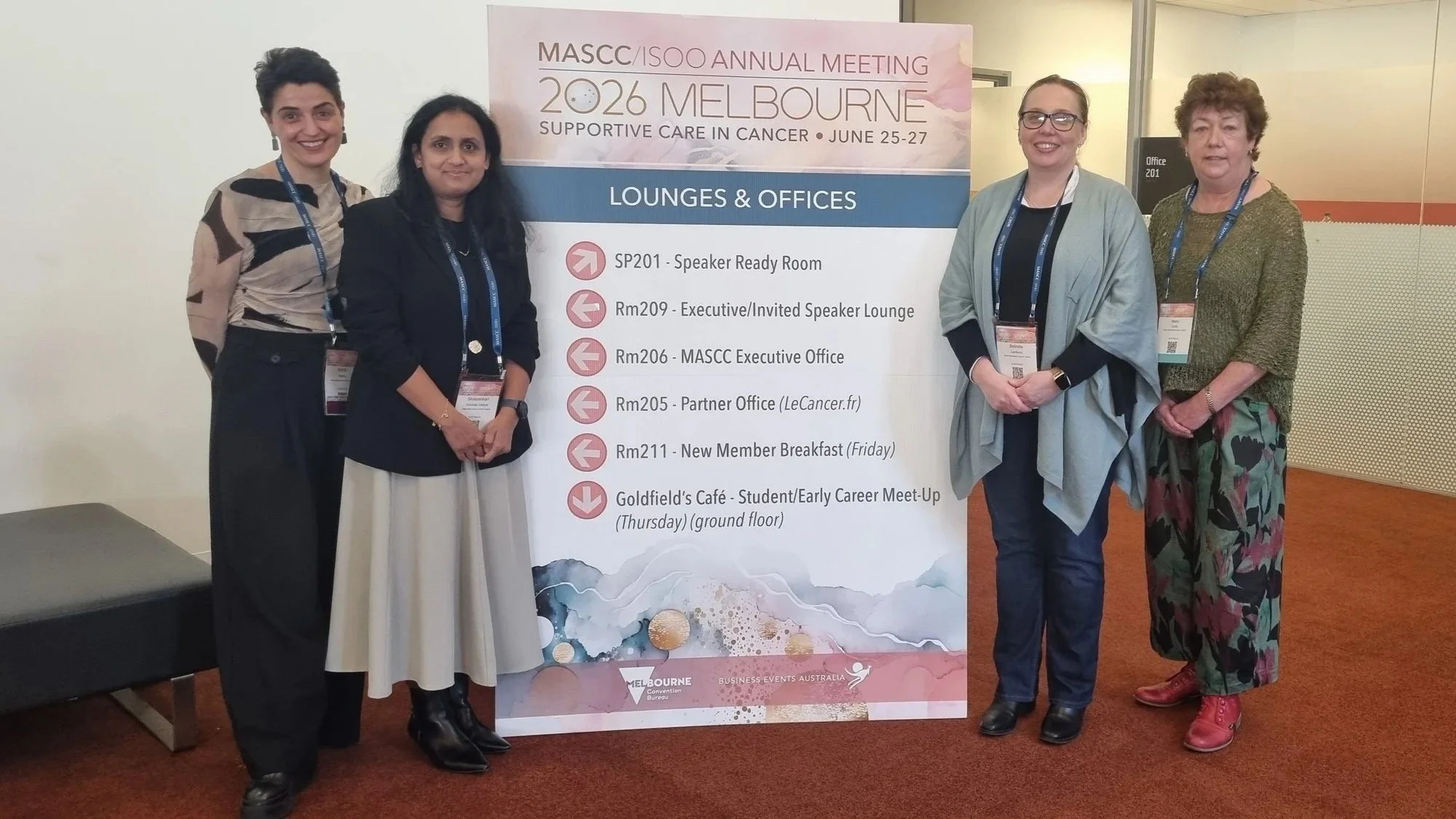
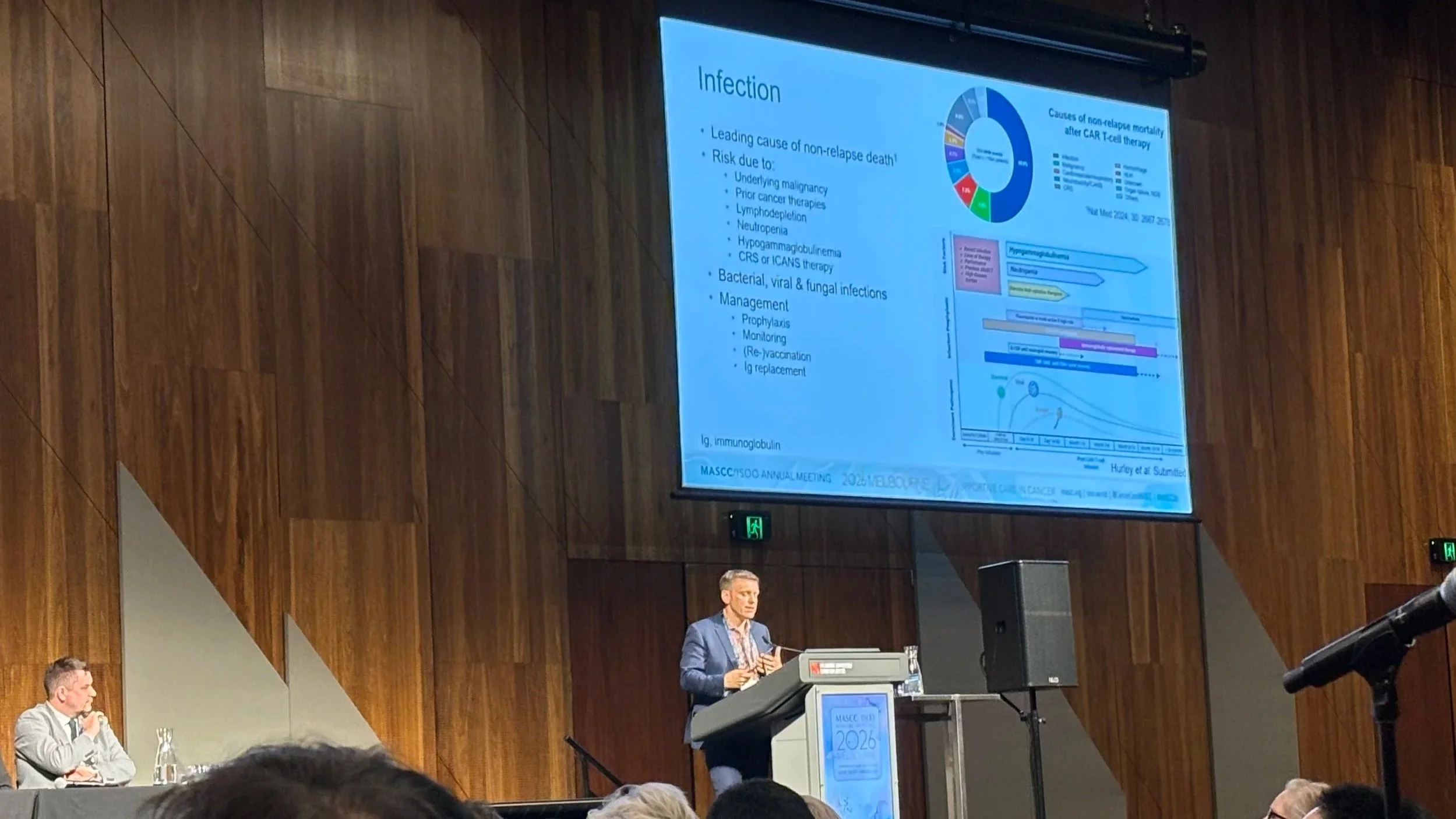
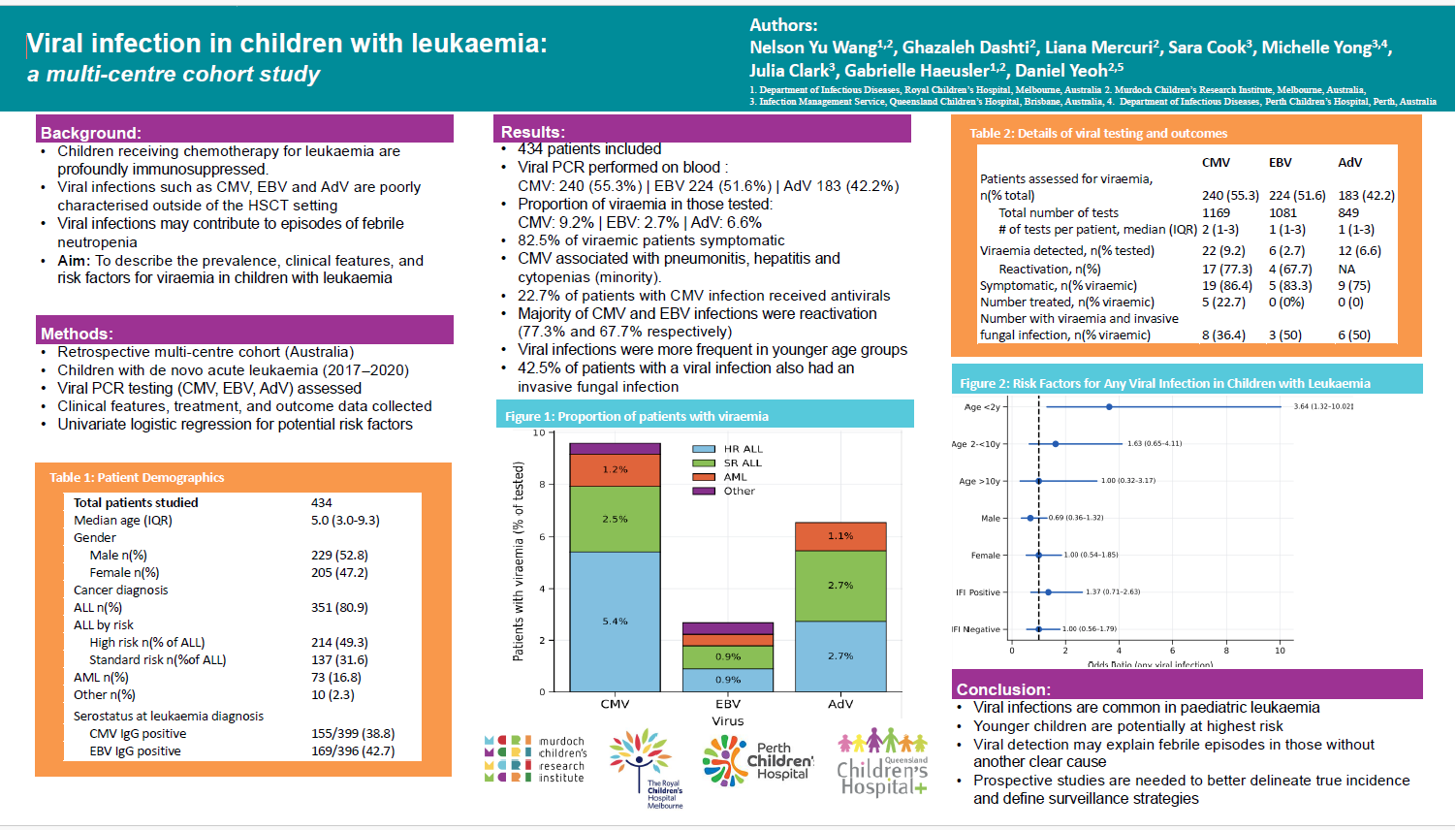
NCIC members were proud to present their latest research at the Multinational Association of Supportive Care in Cancer (MASCC) 2026 Annual Meeting, held from 25–27 June at the Melbourne Convention and Exhibition Centre.
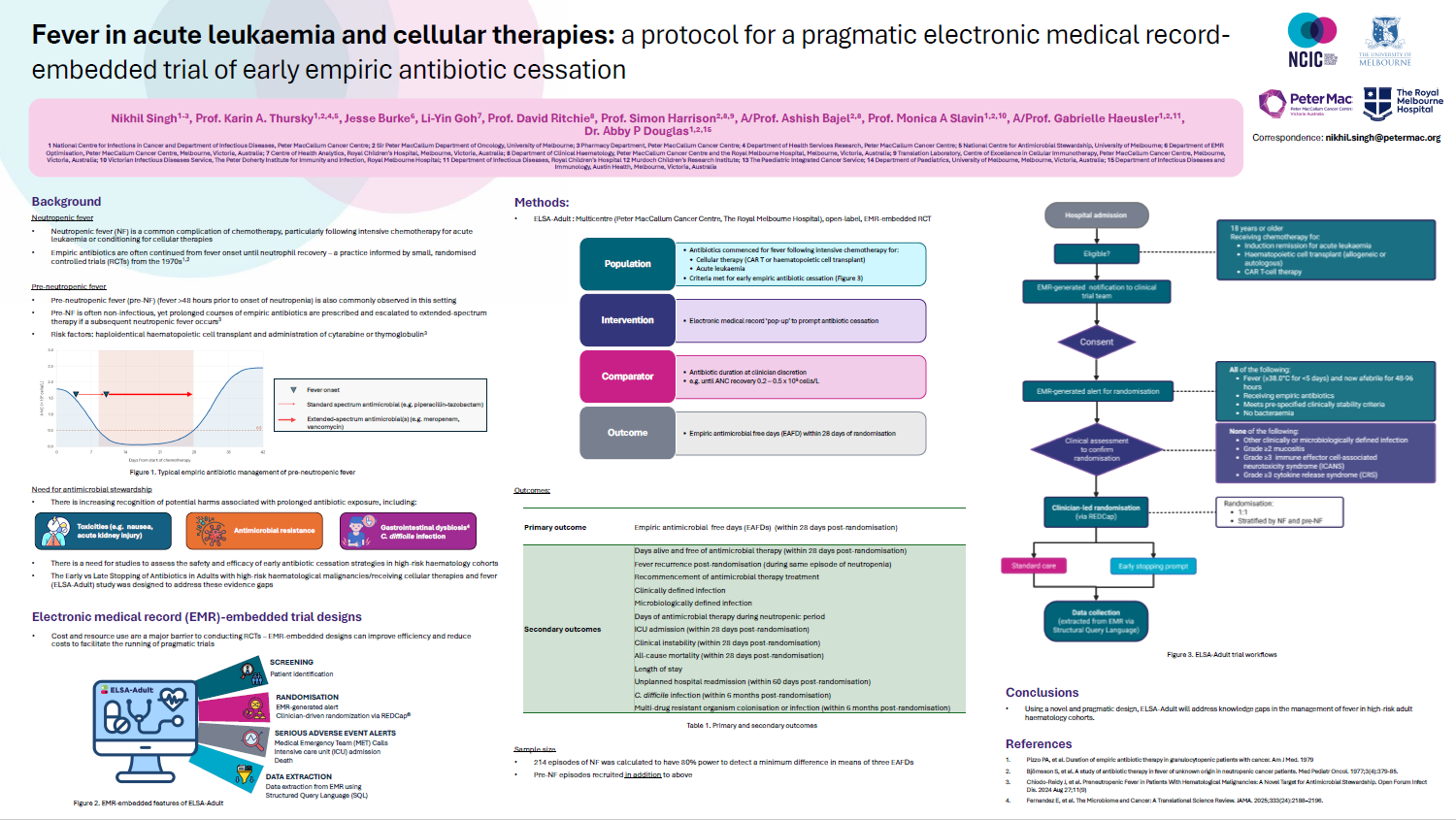
Our presenters showcased research in paediatric viral infections, antimicrobial stewardship in haematological malignancies, and the application of artificial intelligence to improve toxicity management in cancer care. Congratulations to Dr Nelson Wang, Nikhil Singh, and Anna Khanina for representing NCIC and contributing to important discussions on improving outcomes for people affected by cancer.
Research spotlight
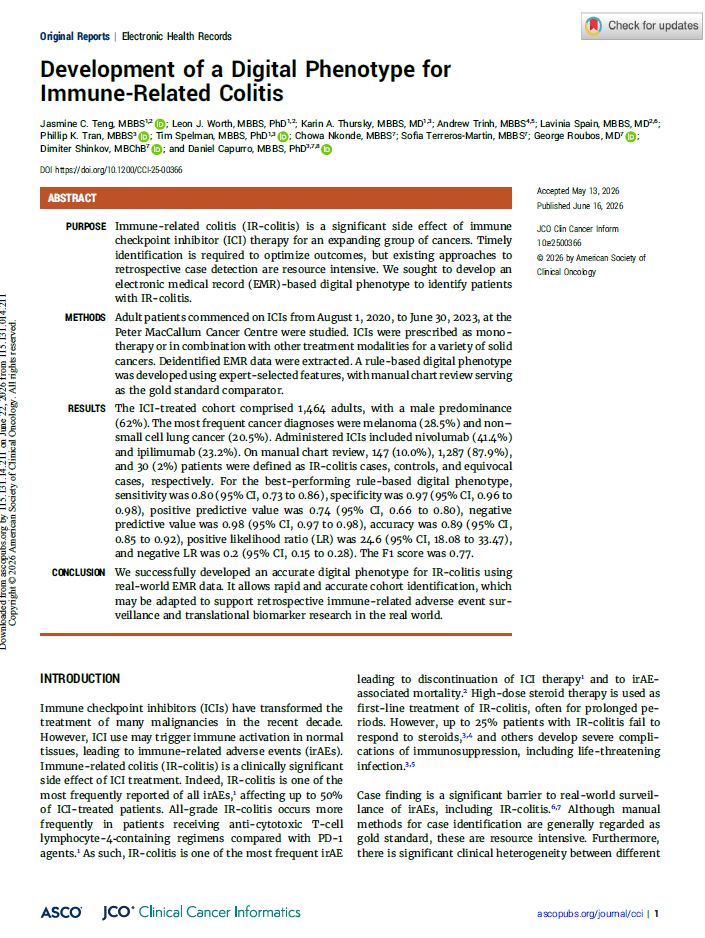
Development of a Digital Phenotype for Immune-Related Colitis
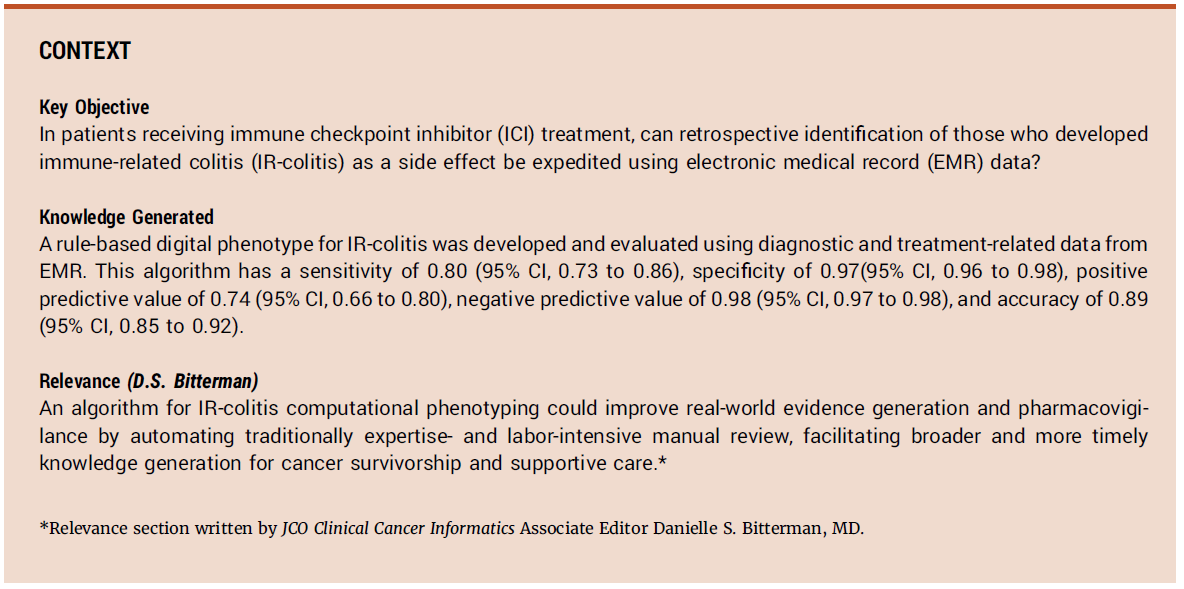
Congratulations to Dr Jasmine Teng and team who has developed the first digital tool capable of rapidly and accurately identifying patients who develop immune-related colitis, a potentially serious side effect of cancer immunotherapy.
Traditional methods of identifying immune-related adverse events are manual and resource-intensive. Dr Teng's team developed an electronic medical record (EMR)-based digital phenotype that accurately identifies patients with immune-related colitis using routinely collected clinical data.
This innovative approach demonstrates how existing EMR data can be repurposed to support high-quality research and improve patient care. Future applications include enhanced surveillance, evaluation of healthcare resource utilisation, analysis of patient care pathways and outcomes, and improved understanding of immune-related adverse event cohorts.
This work has been published in JCO Clinical Cancer Informatics.
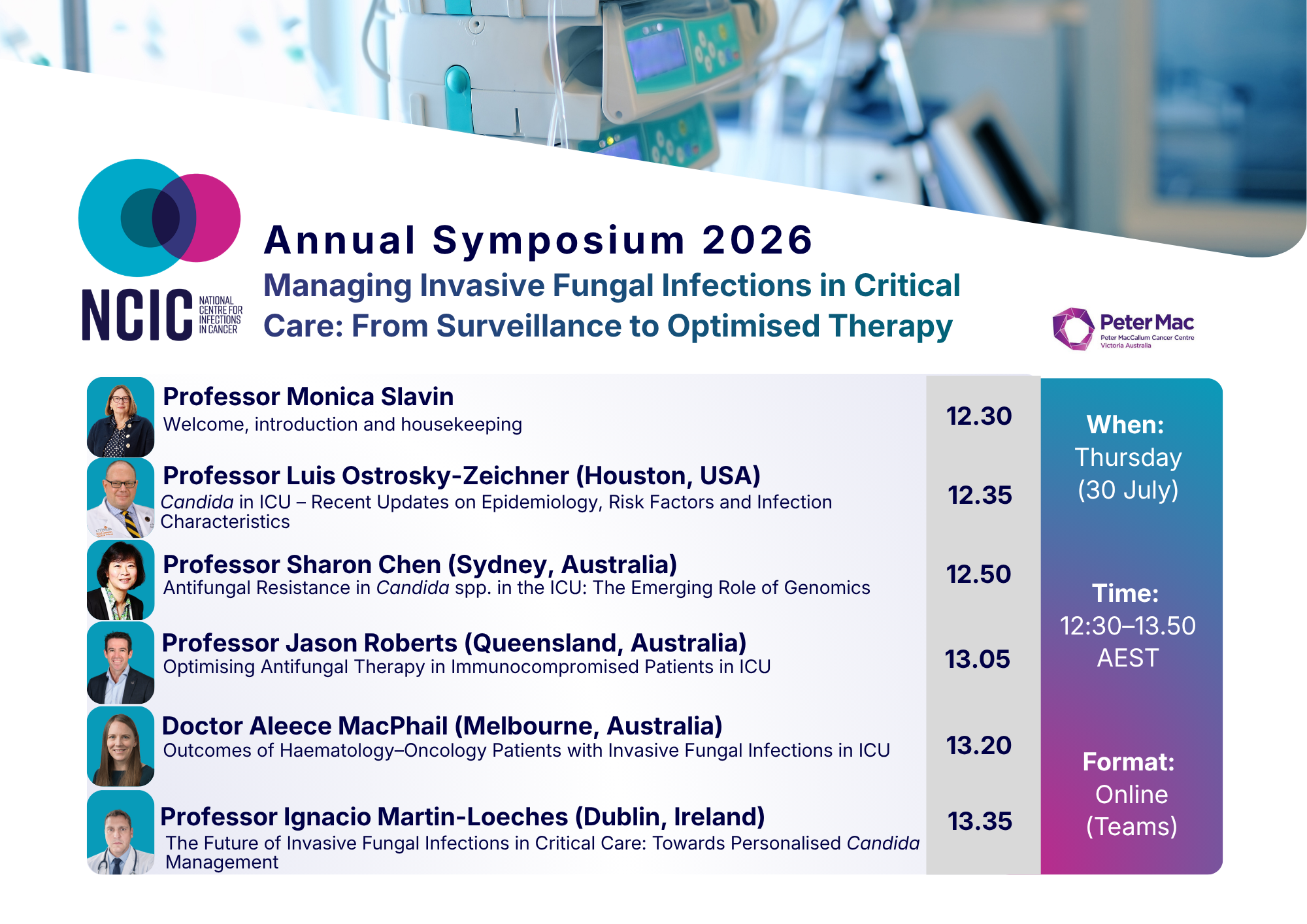
Coming this Month: NCIC Annual Symposium 2026
Date: Thursday, 30 July 2026
Time: 12.30–1.50 pm AEST
Format: Online (Microsoft Teams)
This year's symposium will bring together a distinguished panel of national and international experts to explore contemporary challenges and emerging advances in the management of invasive fungal infections (IFI) in critical care settings.
Topics will span surveillance, genomics, optimisation of antifungal therapy, patient outcomes, and the future of personalised care, providing attendees with valuable insights into how research and innovation are shaping clinical practice.
NCIC Annual Symposium
Date: Thursday, 30 July 2026
Time: 12.30–1.50 pm AEST
Format: Online (Microsoft Teams)
Thank You and Farewell to Zenina Andrews
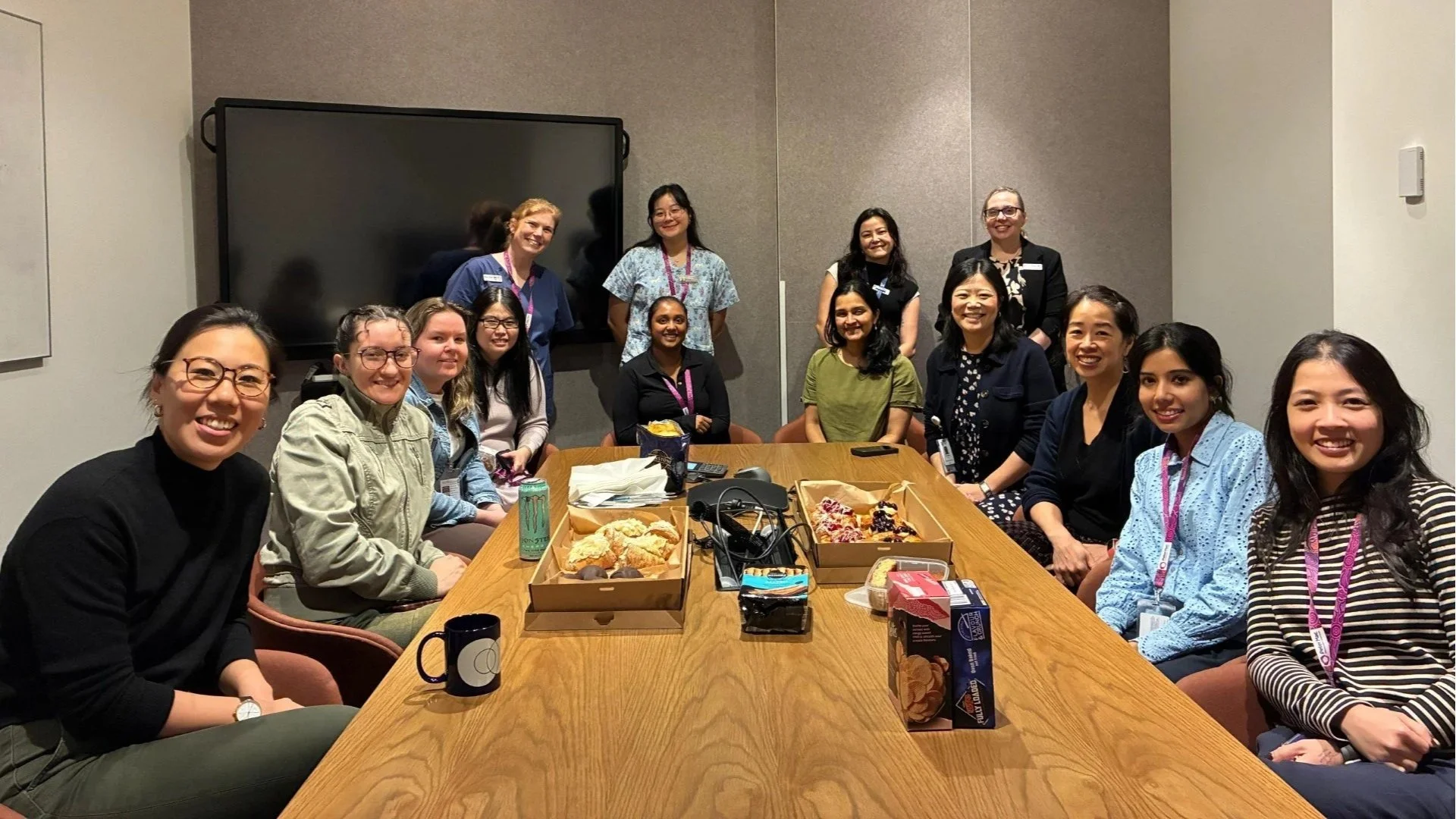
This month we also farewell our wonderful Research Assistant, Zenina Andrews. Over the past two years, Zenina has made invaluable contributions across numerous research projects and clinical trials. Her professionalism and willingness to help have made a lasting impact on both our research program and our team. Known for her warm, bubbly personality and exceptional work ethic, Zenina has been a pleasure to work with and she will be greatly missed.

We thank Zenina for everything she has contributed to NCIC and wish her every success in the next chapter of her career.
Recent Publications
Digital Health & Artificial Intelligence
Summary: This study describes the development of an electronic medical record-based digital phenotype capable of accurately identifying patients with immune-related colitis. The tool not only improves understanding of how often immune-related colitis occurs, but could also help pave the way for predicting who is at risk.
Infection in Cellular Therapies & Transplantation
Summary: In this multicentre cohort of 291 CD19 CAR-T recipients, nearly half developed infections (49.5%), with 36% experiencing severe infection and 5% dying from infection. Among those followed beyond one year, 40% developed late infections, mainly respiratory viral infections, which remained a major cause of morbidity. Invasive fungal infections were uncommon (6%) but were associated with higher early corticosteroid exposure and prior bacterial infection. Overall, infections persisted well beyond the first year post-CAR-T, supporting the need for ongoing surveillance and targeted prevention strategies.
Summary: This comprehensive review explores the epidemiology, risk factors and immune response to CMV infection following stem cell transplantation and CAR-T therapy, summarising current evidence to support clinical management of this significant infectious complication.
Summary: This editorial discusses the use of lung biopsy in patients with pulmonary complications following allogeneic haematopoietic cell transplantation, noting its high diagnostic yield but associated procedural risks. It advocates for a selective, risk-adapted approach that combines biopsy with bronchoscopy and emerging imaging and molecular diagnostic techniques.
Vaccines & Infection Prevention
Summary: This national review summarises the latest evidence supporting RSV vaccination strategies in Australia and informs recommendations to protect vulnerable populations, including those at increased risk of severe infection.
Follow us!
We look forward to connecting with you on both LinkedIn and BlueSky.
Kind regards,
Prof Monica Slavin, MBBS, MD, FRACP, FAAHMS
Head, Department Infectious Disease, Peter MacCallum Cancer Centre
Professor of Infection in Cancer and Transplantation, University of Melbourne Department of Infectious Diseases and the Sir Peter MacCallum Department of Oncology
Director, National Centre for Infections in Cancer