
Dear All,
This month, the NCIC Symposium brought together 144 clinicians and researchers to explore the latest developments in critical care mycology, with leading international and Australian experts sharing practical insights into invasive fungal infections (IFIs), antifungal resistance, pharmacotherapy, and future directions in patient management.
Thank you to all of our speakers for their insightful presentations, and to everyone who attended the symposium. We look forward to seeing you at future NCIC events. Presentation recordings are now available and can be accessed below:
NCIC Symposium Highlights
Prof Luis Ostrosky discussed changing epidemiological trends in Candida infections in intensive care, highlighting evolving risk factors and implications for clinical management.
Prof Sharon Chen reviewed emerging antifungal resistance, including increasing azole-resistant Candida tropicalis and insights from Candida parapsilosis outbreaks in Australian ICUs.
Prof Jason Roberts presented findings from the international SAFE-ICU study, demonstrating that suboptimal antifungal exposure remains common in critically ill patients despite standard dosing, reinforcing the need for pharmacokinetic-guided therapy and therapeutic drug monitoring.
Dr Aleece MacPhail reviewed international and Australian data on IFIs in haematology-oncology patients admitted to ICU, highlighting persistently high mortality rates despite advances in care.
(Please note that sections of the recording have been edited to remove discussion of unpublished data)
Finally, Prof Ignacio Martin-Loeches explored future directions in critical care mycology, discussing current challenges in IFI management, advances in diagnostics, and ongoing questions around when and who should receive antifungal therapy. (Prof Martin-Loeches’ presentation is not available for recording or publication)
NCIC at the PeterMac Research Symposium
NCIC was proud to participate in the Peter Mac Research Symposium, which brought together approximately 400 researchers, clinicians and consumers under the theme Cancer Research into Action: Transforming Cancer Care with Our Patients. The symposium showcased innovative research translating into meaningful improvements in cancer care.
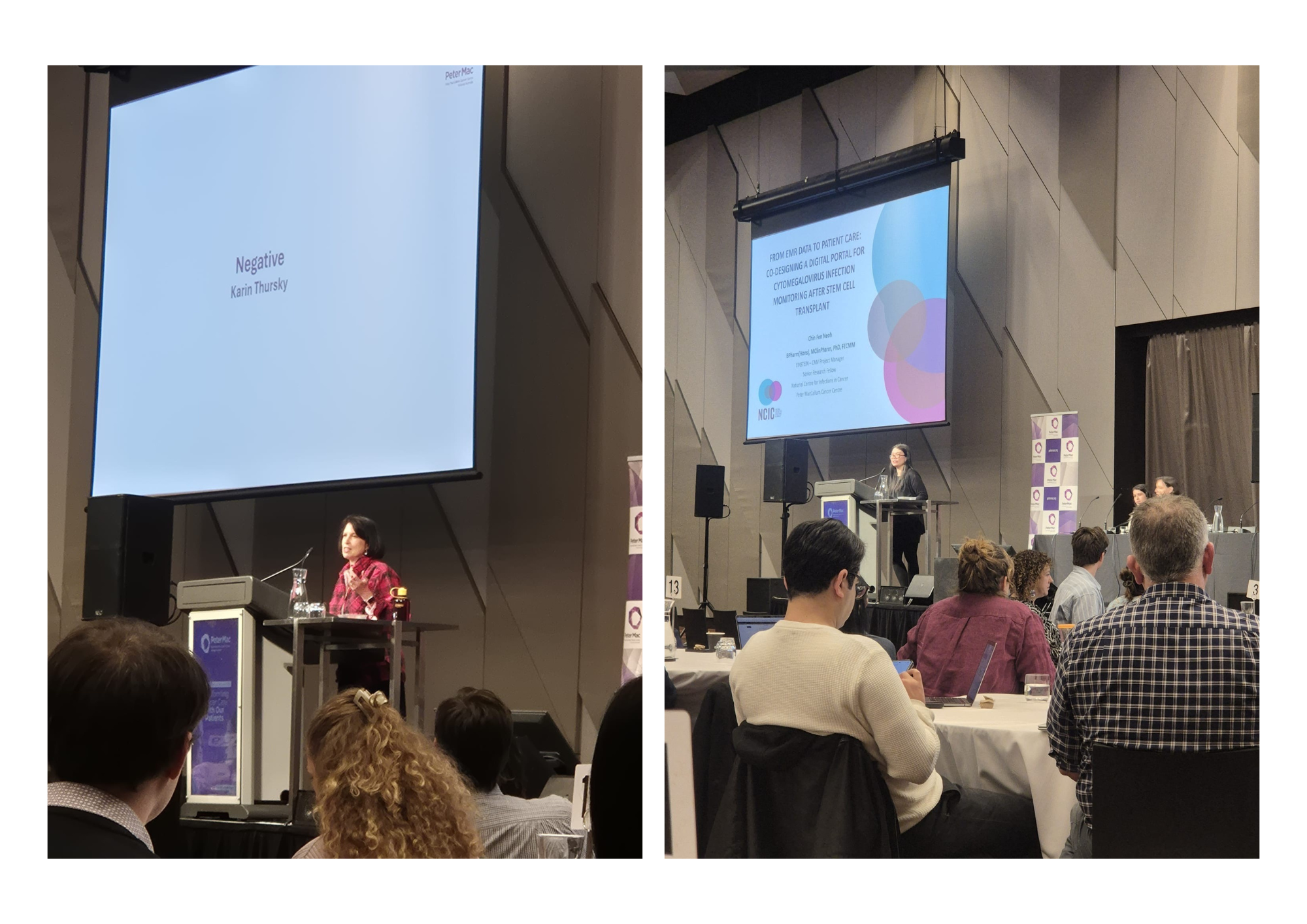
Professor Karin Thursky took to the stage as one of the panellists in this year's Great Debate, representing the negative team in a lively debate on whether clinical impact should matter more than fundamental discovery research. NCIC was also represented by Dr Zoe Neoh, who presented her research on the development of a digital tool to support CMV monitoring in patients with high-risk haematological malignancies undergoing stem cell transplantation. Zoe's presentation was very well received, with attendees showing strong interest in the potential of digital tools to optimise CMV management as well as how the tool could be scaled beyond infection surveillance to support other areas of patient care.
People & Collaborations
Welcoming Laura
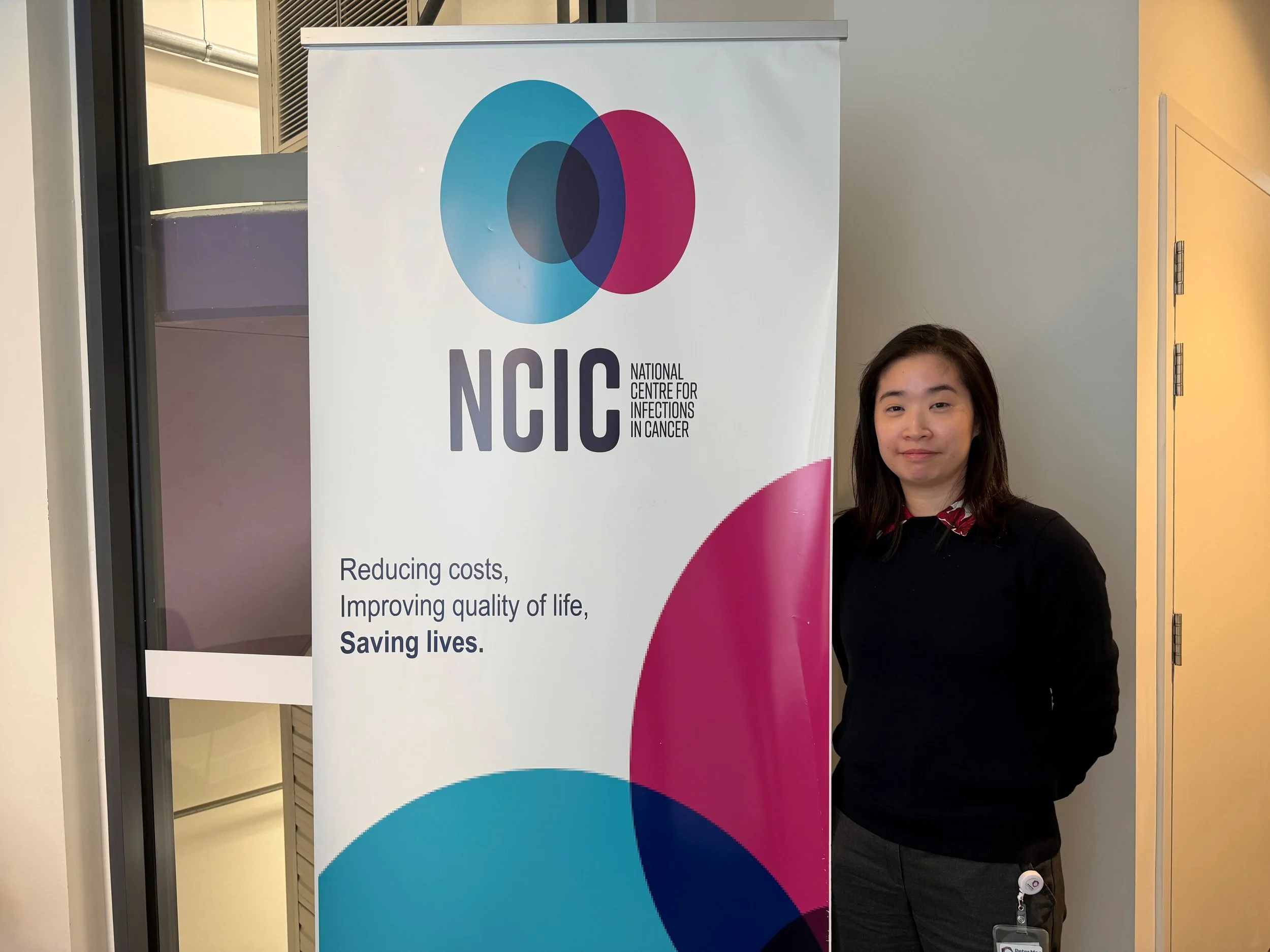
We are excited to welcome Dr Laura To, an Infectious Diseases physician from Princess Margaret Hospital, Hong Kong.
Laura will be with us for the next three months, undertaking a clinical observership while contributing to antifungal research through the Antifungal NAPS project. During her placement, she will observe the management of infectious diseases in our immunocompromised patient cohort and gain insight into our multidisciplinary approach to patient care. She is looking forward to broadening her experience in the care of immunocompromised patients, learning more about antimicrobial stewardship and clinical research, and building collaborative links between our institutions.
We are delighted to have Laura join us over the coming months and hope she enjoys her time with the team!
Kate visits NCIC
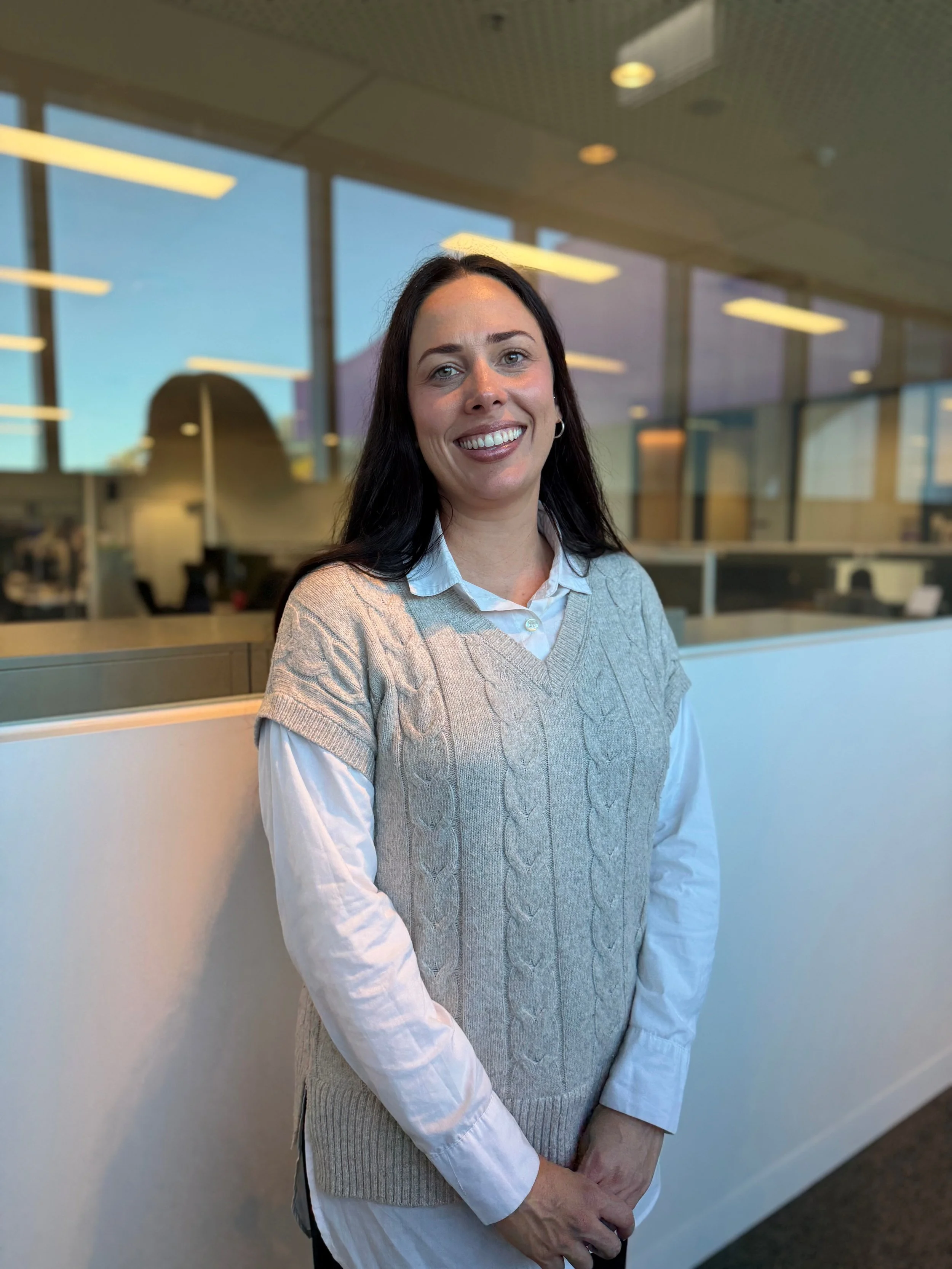
We were also delighted to host Kate Morton, an Infectious Diseases/Antimicrobial Stewardship pharmacist from Queensland, who recently spent two weeks with our team.
Kate is undertaking her PhD under the supervision of A/Prof Michelle Yong and Dr Zoe Neoh, with a research focus on optimising antifungal use in immunocompromised hosts. Her projects aim to optimise antifungal prescribing and monitoring, with plans to implement an antifungal stewardship program at Sunshine Coast University Hospital.
We enjoyed having Kate with us and look forward to following her research journey and future collaborations in strengthening antifungal stewardship across the region.
Celebrating Piper’s internship
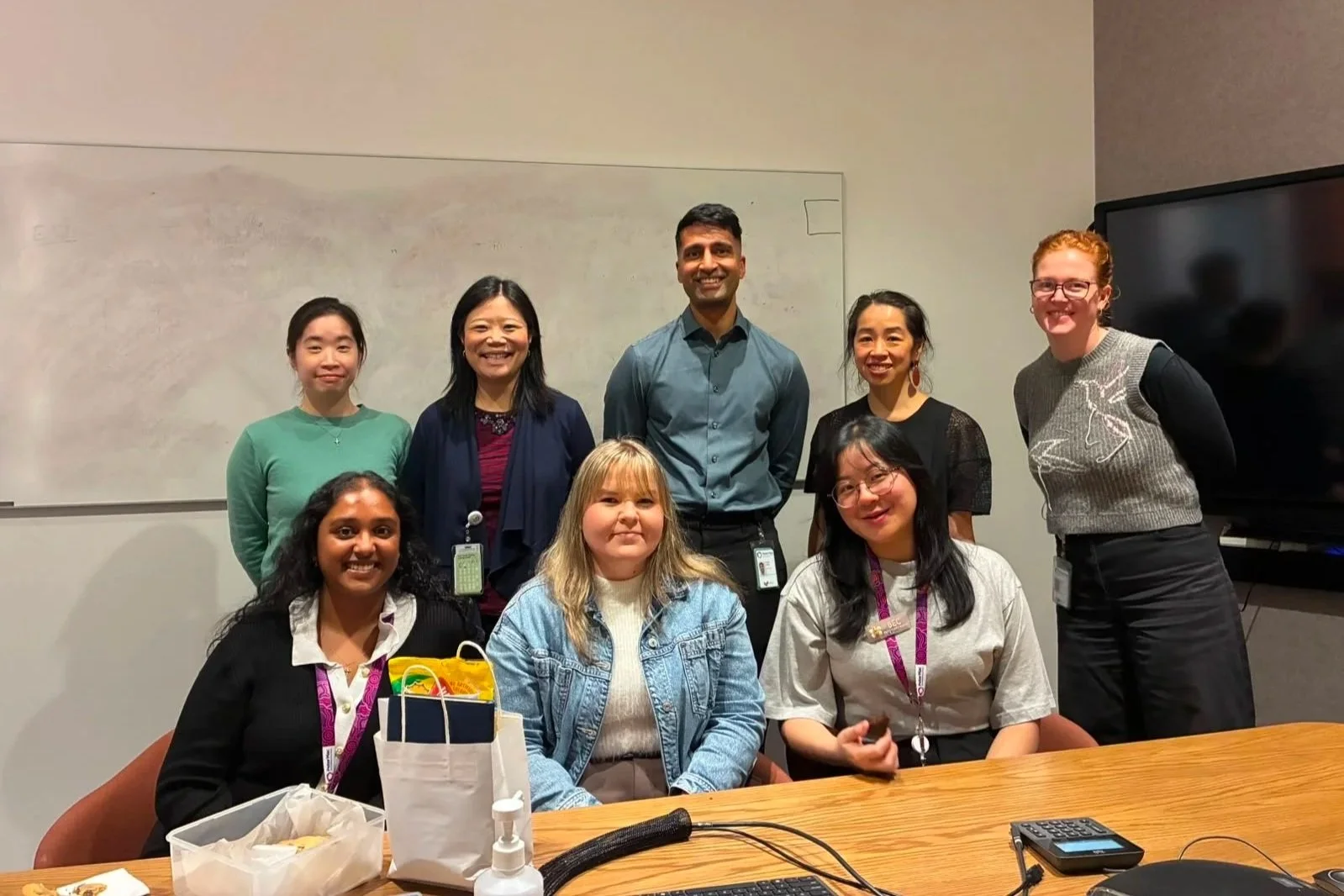
This month, we celebrated the completion of Piper Hinkley's six-month placement through the 2026 VCCC Alliance SKILLED Internship Program, where she worked as a Clinical Trials Administration Officer with our Infectious Diseases Clinical Research team.
Over the past six months, Piper became a valued member of our team. She embraced every opportunity to learn, gaining experience in clinical trial administration, ethics and regulatory processes, and responsible research conduct. As part of her improvement project, she developed a budget template tailored to infectious diseases research and clinical trials, which received excellent feedback and is being considered for implementation within the team.
Piper has been a fantastic addition to NCIC, and we are incredibly grateful for her contributions and wish her every success as she begins the next chapter of her career.
Recent Publications
Antifungal Therapeutics and Therapeutic Drug Monitoring
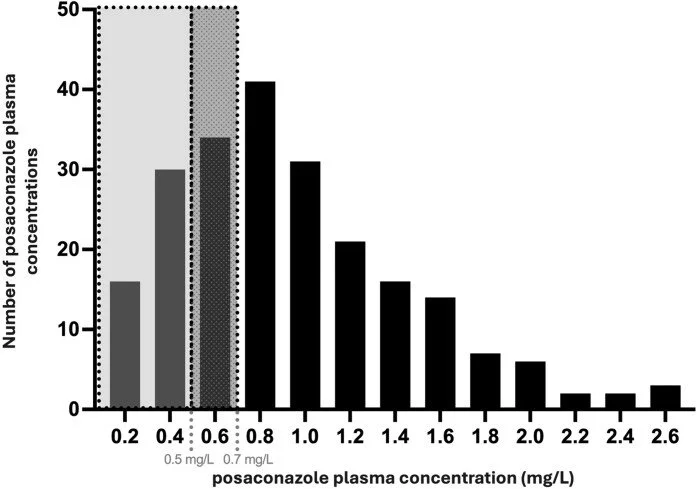
Summary: More than half of high-risk haematology patients experienced at least one subtherapeutic posaconazole concentration during prophylaxis, with 1/3 of all posaconazole plasma concentrations being below 0.7mg/L, supporting the role of routine therapeutic drug monitoring to optimise antifungal therapy.
Antiviral Prophylaxis in Cancer
Summary: This review summarises current evidence for HSV, VZV and CMV prophylaxis in patients with cancer, highlighting emerging challenges associated with CAR T-cell and other novel immunotherapies.
Vaccination in Haematological Malignancies and Cellular Therapies
Summary: A global survey identified substantial variation in vaccination practices following stem cell transplantation and cellular therapies. The findings highlight key barriers to vaccine delivery and support the development of future research priorities and harmonised international guidelines.
Antibiotic allergy
Summary: This international multicentre study demonstrated that inpatient direct oral penicillin challenge is safe and effective, successfully removing inaccurate penicillin allergy labels in over 95% of challenged patients. De-labelling significantly increased appropriate penicillin prescribing while reducing the use of broad-spectrum "Watch" and "Reserve" antibiotics.
Summary: This companion implementation study showed that a digital penicillin allergy toolkit can be successfully integrated into routine clinical practice across diverse healthcare settings. The program was safe, feasible and sustainable, with audit and feedback supporting greater clinician uptake, particularly among pharmacists.
Follow us!
We look forward to connecting with you on both LinkedIn and BlueSky.
Kind regards,
Prof Monica Slavin, MBBS, MD, FRACP, FAAHMS
Head, Department Infectious Disease, Peter MacCallum Cancer Centre
Professor of Infection in Cancer and Transplantation, University of Melbourne Department of Infectious Diseases and the Sir Peter MacCallum Department of Oncology
Director, National Centre for Infections in Cancer